-
Appreciation, presence and good shock absorbers in a biopsychosocial interaction model

What keeps a person healthy does not arise within them alone, but between them and others. For years I have been working with a biopsychosocial interaction model that places three factors at its centre: appreciation, engagement and stress resilience. For the third, I like to borrow an image from engineering – shock absorbers. Dr. phil.…
-
Locked inside yourself – and disconnected from yourself

-
It is not autism that causes harm, but how the world responds

-
Autistic shutdown or trauma shutdown?

-
Same reaction, different cause: sensory processing and stress in paediatric practice

Sensory overload, distractibility, withdrawal: in children with ADHD, autism or PTSD, much looks alike. Yet quite different mechanisms may lie behind it. On 10 December, Dr. med. Diego Spörri will show how brain function analysis can help make these pathways visible. In the waiting room the phone rings, a baby cries next door, the door…
-
The first port of call: ADHD, autism and trauma in paediatric practice
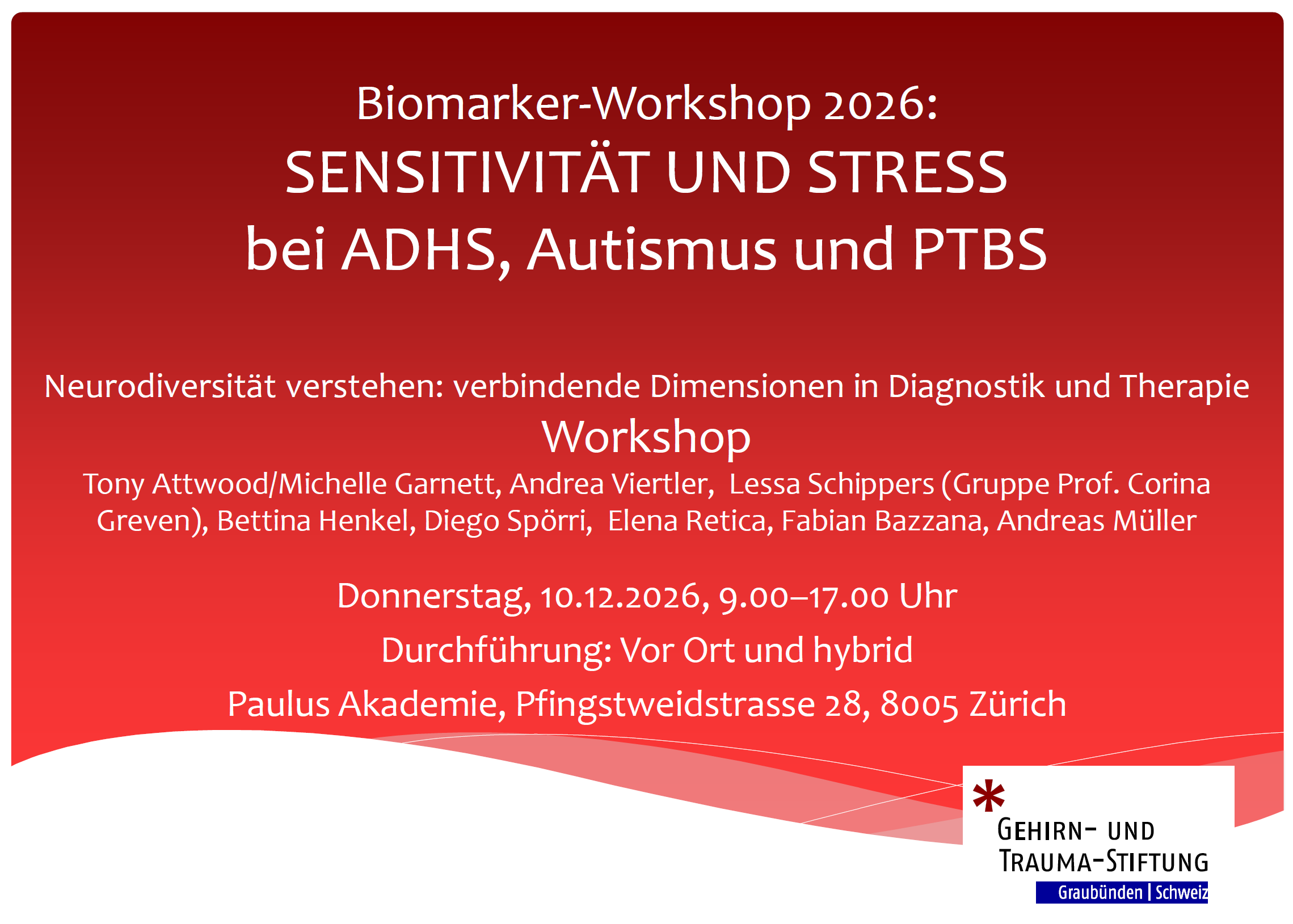
-
Functioning is not the same as being regulated: Elena Retica on diagnosis and self-understanding

-
When the brain loses its coherence: what the Turin PTSD study shows

-
Sensitive, not broken: what research from Nijmegen shows about ADHD, autism and sensitivity

-
“Is it all connected?”

-
Why we are not made for this life
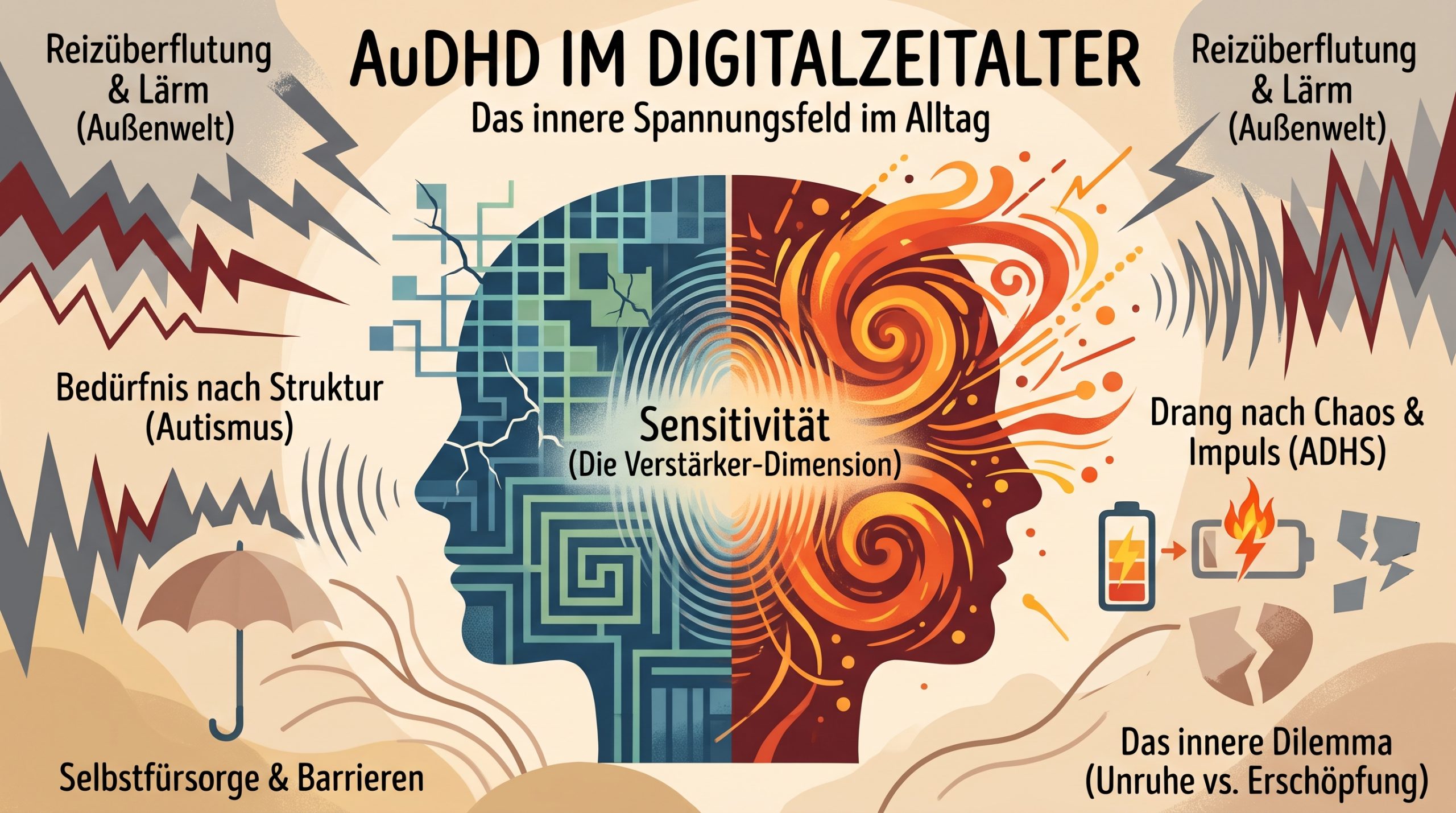
Nov 1, 2026 · @Andreas Müller A Stone Age brain in the digital age: what ADHD, autism, trauma and sensitivity have to do with our origins An insight into Bettina Henkel’s treatment concept – a foretaste of the Biomarker Workshop 2026 on 10 December in Zurich “Is ADHD an illness?” Bettina Henkel, neurologist and psychiatrist/psychotherapist,…
-
“Our first lovely holiday in years”

29 Oct 2026 · @Andreas Müller What changes in a family when everyone pulls in the same direction Six months ago, daily outbursts dominated family life. Today, a mother talks about holidays that felt worth living for the first time in years. A story about clarity, patience and sticking with it together. “Our first lovely…
-
The headphones are not an accessory

Why sensitivity and stress cut across diagnoses — and what the Biomarker Workshop in December sets out to examine In a portrait published recently in a Swiss online magazine, a young woman describes her everyday life with autism. She almost always wears headphones. Not to listen to music — but to turn the noise down…
-
Diagnosed in third grade — and then?

Why an early assessment does not by itself make for a good time at school We often write here about waiting times. About families who wait a year or longer for an assessment appointment, and about where time could be gained in this bottleneck without sacrificing quality. That remains true. A newspaper portrait published recently…
-
When perception becomes a constant burden

Why autism, sensitivity and stress are connected — and what follows for everyday life Part 2 of two. Part 1 — The Dimension Beneath the Diagnoses — has been online since 5 September and announces this text. The previous post asked whether sensitivity is the dimension beneath the diagnoses — the common denominator of ADHD,…
-
What does normal mean here? Why a single measurement says nothing without a comparison group
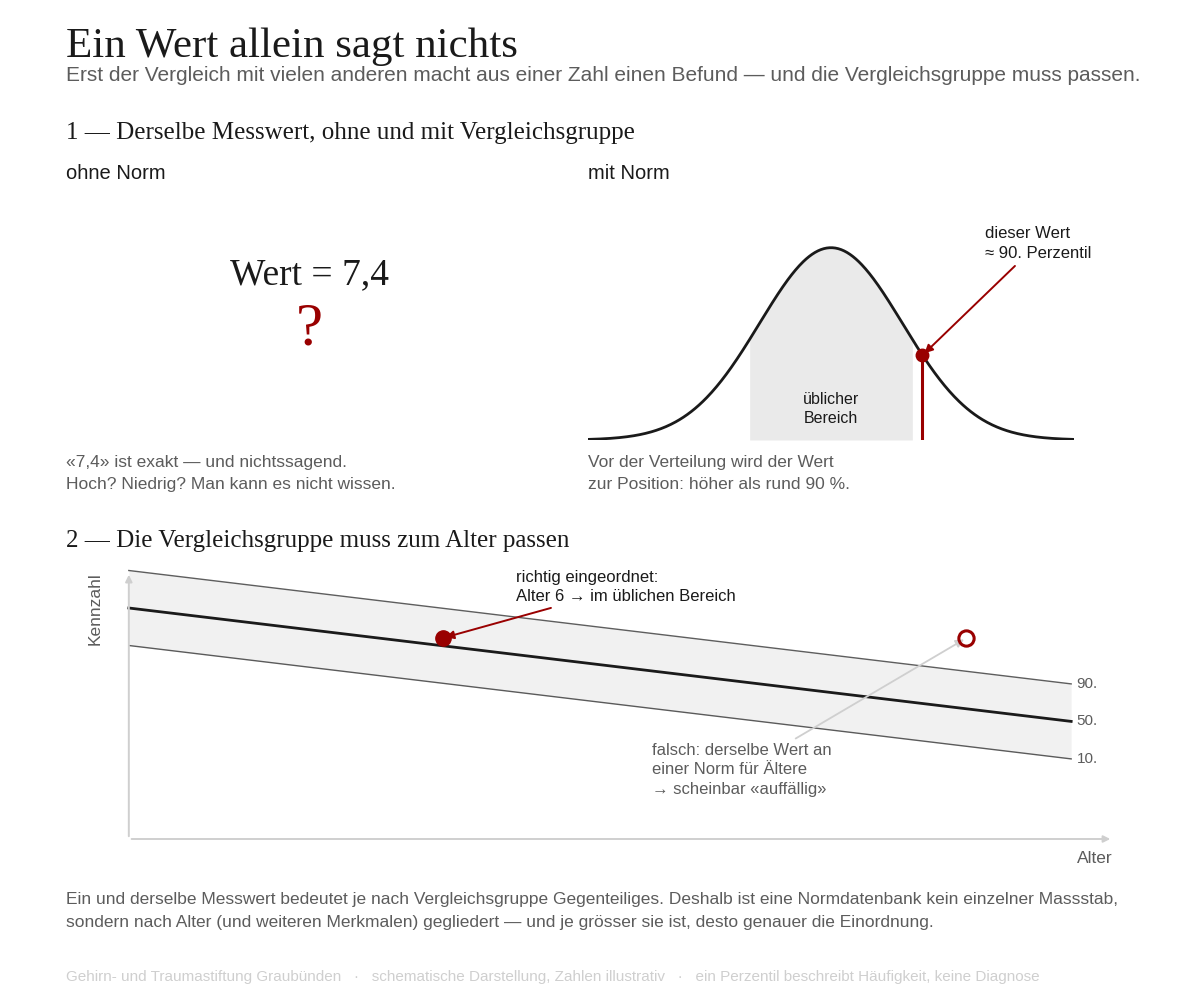
Imagine someone tells you: «The child is 108 centimetres tall.» Is that a lot? A little? Cause for concern? The question cannot be answered. Not because the number is imprecise — it is perfectly exact — but because the decisive part is missing: a comparison. Only the follow-up question «how old is the child?» turns…
-
Making trauma measurable? What brain function analysis can do in PTSD — and what it cannot

Why PTSD is so hard to pin down Of the four themes the Biomarker Workshop circles around in December — ADHD, autism, PTSD and sensitivity — post-traumatic stress disorder is the most awkward when it comes to measurement. With ADHD and autism we are looking at development that takes a different course. With PTSD we…
-
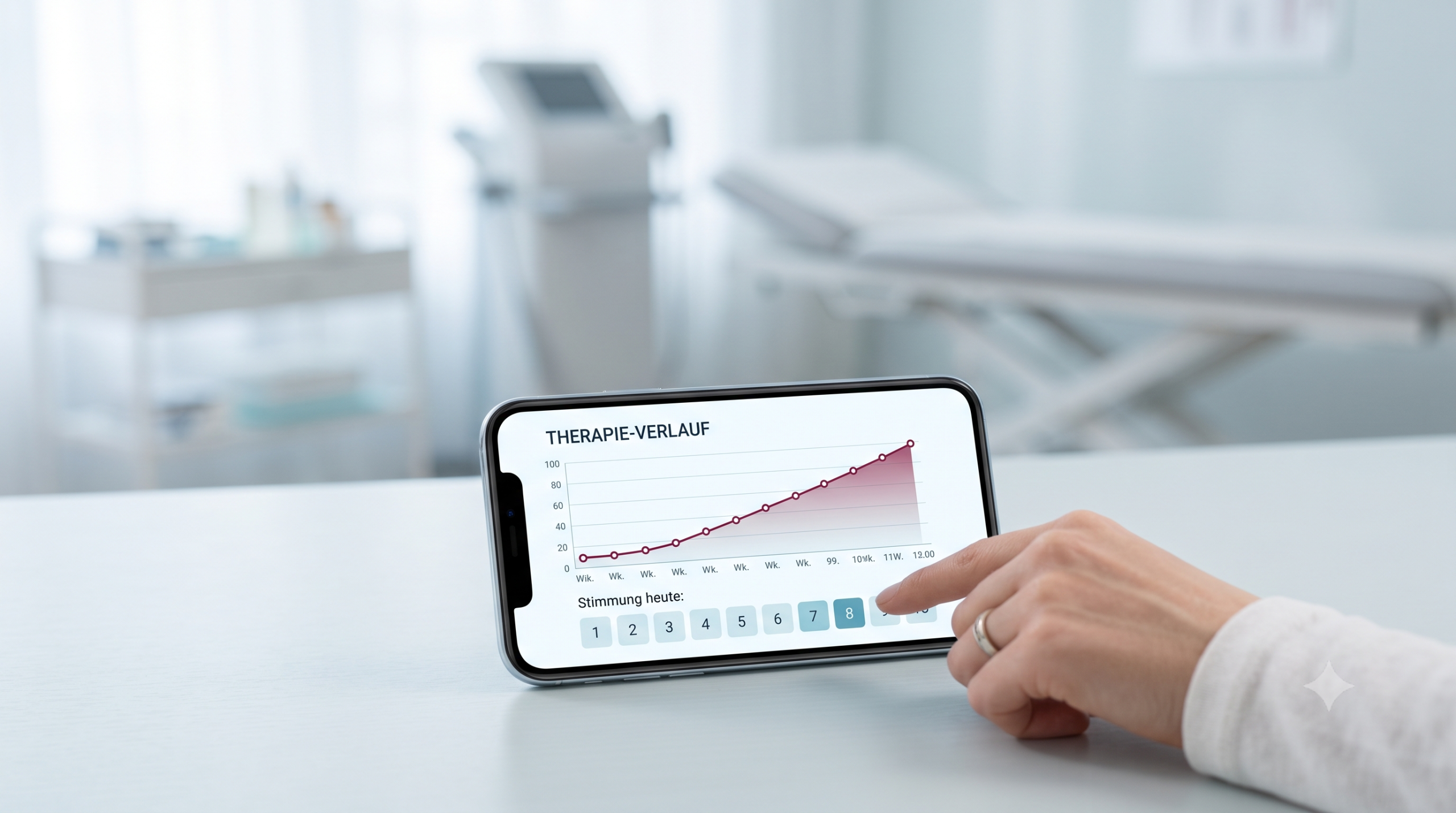
Why memory is a poor gauge of progress — and what regular measurement changes
-
How do you know a therapy is working?
-
The Dimension Beneath the Diagnoses
Sensitivity as the common denominator of ADHD, autism and PTSD — an overview of the concept, the evidence and the diagnostic consequences 1. Why the question arises Anyone who spends enough time assessing people with ADHD, with an autism spectrum disorder and with post-traumatic stress disorder makes an observation that appears in no diagnostic manual:…
Save the Date · Biomarker Workshop 2026 — 10. Dezember 2026, Paulus Akademie Zürich Jetzt anmelden →
Save the Date · Biomarker Workshop 2026 — 10 December 2026, Paulus Akademie Zurich Register now →