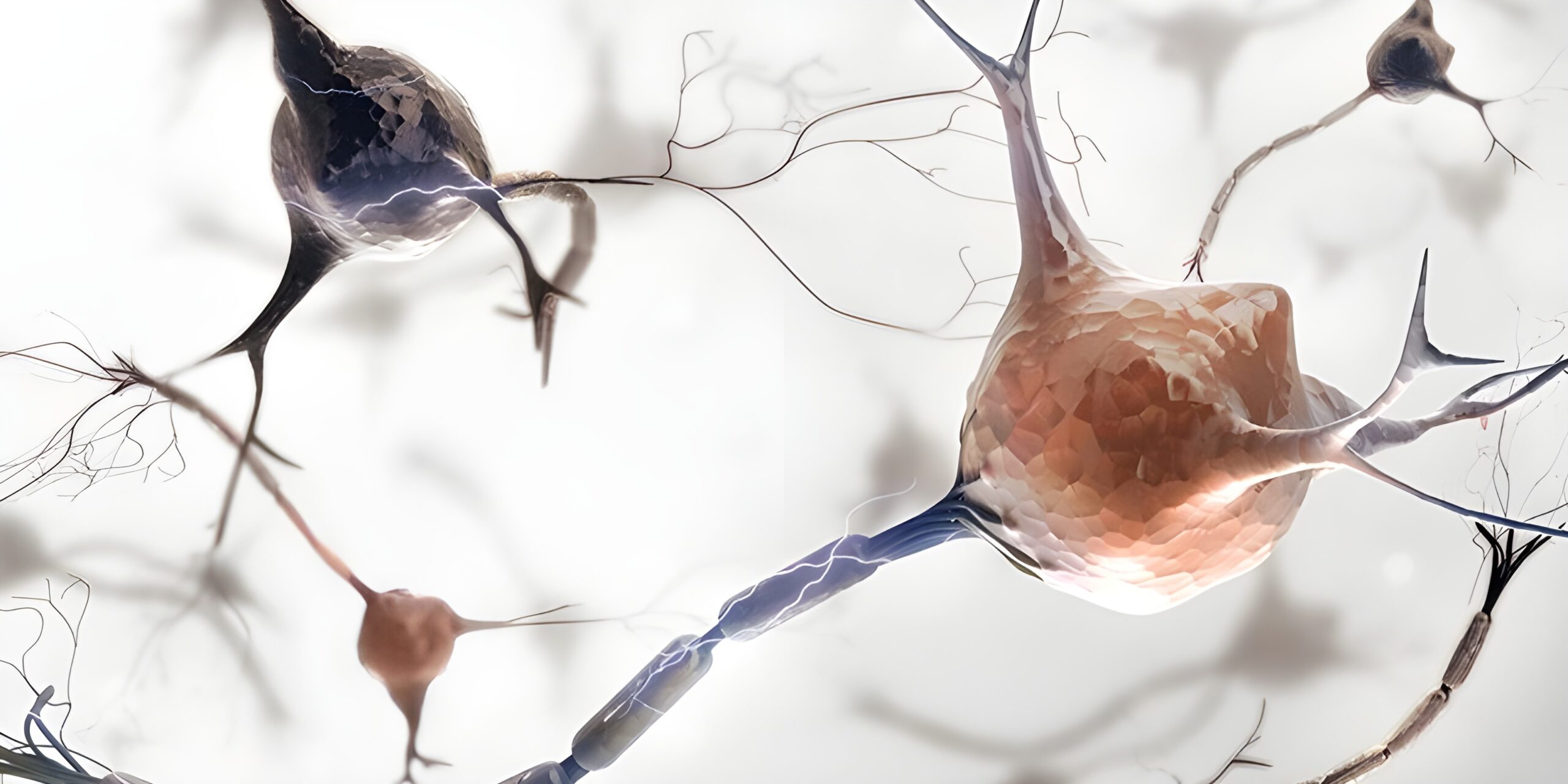
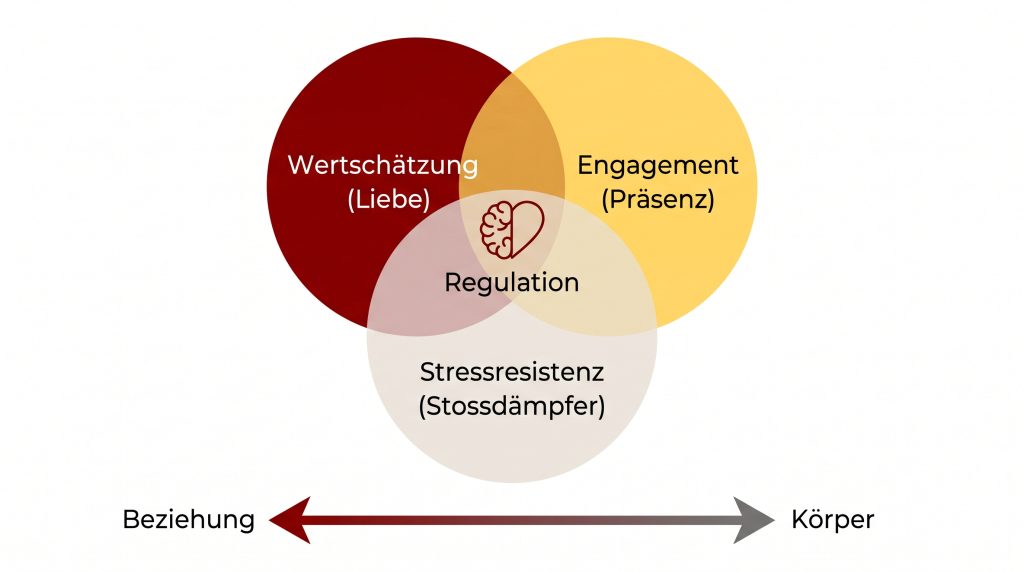
What keeps a person healthy does not arise within them alone, but between them and others. For years I have been working with a biopsychosocial interaction model that places three factors at its centre: appreciation, engagement and stress resilience. For the third, I like to borrow an image from engineering – shock absorbers.
Dr. phil. Andreas Müller, GTSG
Health arises in relationships
Whether parent and child, therapist and patient or a team at work: the same three factors are at play in every encounter. They determine how safe a person feels, how well they can regulate themselves and how much strain they can bear without losing connection.
These factors do not remain purely psychological. Repeated experiences of safety or threat shape how the stress system, arousal and recovery are calibrated. The body adapts to the relationships in which it lives. That is what I mean by «biopsychosocial»: biology, experience and social environment do not simply exist side by side – they form a feedback loop.
Appreciation: the signal of safety
I call the first factor appreciation; at its core, it is love. A person who feels accepted does not have to keep their nervous system on constant alert. Appreciation is therefore not a soft extra. It is a signal of safety, and safety is the precondition for regulation to be possible at all.
This is especially true for children who are often corrected, admonished or misunderstood. Anyone who repeatedly experiences being «wrong» lives with a nervous system that stays on guard.
Engagement: presence as connection
Appreciation alone is not enough. It has to reach the other person, and that happens through presence: being attentive, turned towards them and reliably there. A child senses very precisely whether our mind is on our phone or on them.

Developmental research shows how deep this presence goes. Ruth Feldman describes synchrony between parent and child as the moment-to-moment temporal coordination of social behaviour, built on bodily rhythms and hormonal systems such as oxytocin. This experience later shapes self-regulation, symbol use and empathy. Presence is therefore not just an attitude, but a physical attunement between two nervous systems.
Stress resilience: the shock absorbers of the nervous system
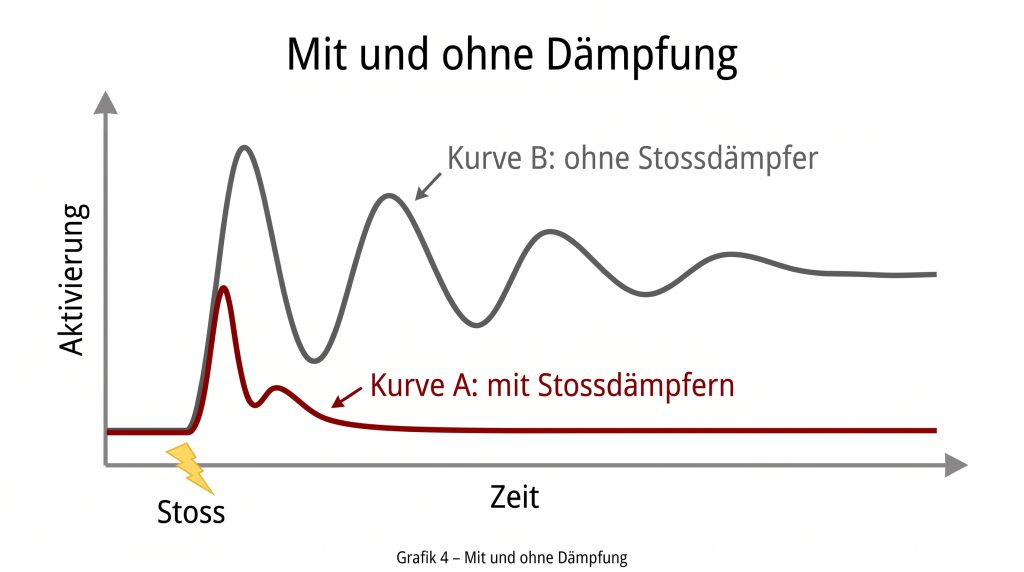
The third factor is stress resilience. Here the image of shock absorbers helps me. A car with good shock absorbers does not drive on a different road from a car without them. The potholes are the same. But the car does not keep rocking, the wheels stay on the ground, and after every bump it quickly returns to a state of rest.
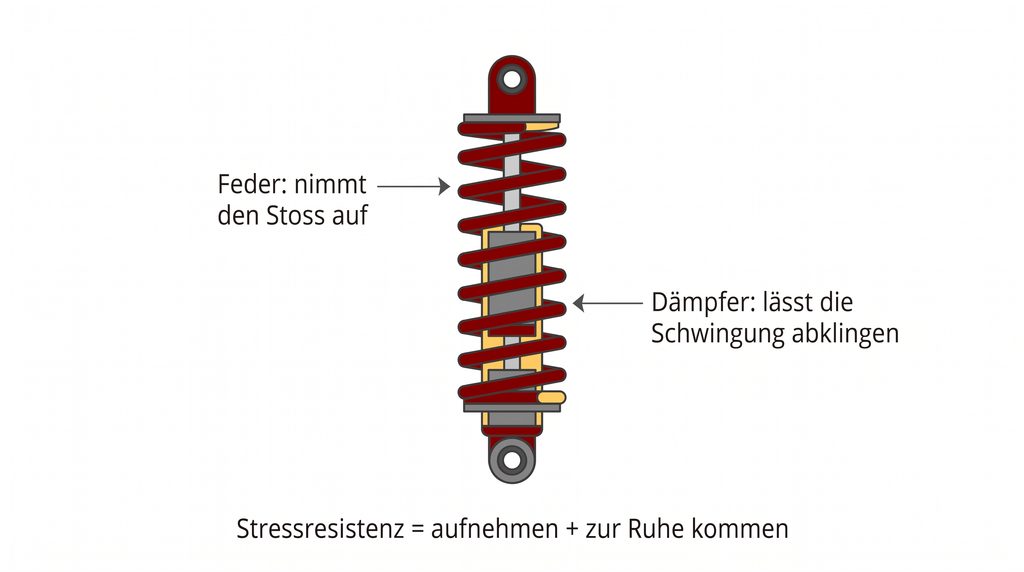
A shock absorber has two tasks. The spring takes up the impact. The damper makes sure the oscillation dies down. Translated, this means: stress resilience does not mean experiencing no stress. It means being able to absorb a strain and then settle down again – without losing contact with oneself and with others.
This applies to both sides of a relationship. Someone who is well cushioned can co-regulate the other person. Someone under constant stress loses exactly what makes up the other two factors: patience, presence and an appreciative view.
How shock absorbers develop
Shock absorbers are not simply innate. They develop, above all in childhood, but also later in life. I consider four conditions to be decisive.
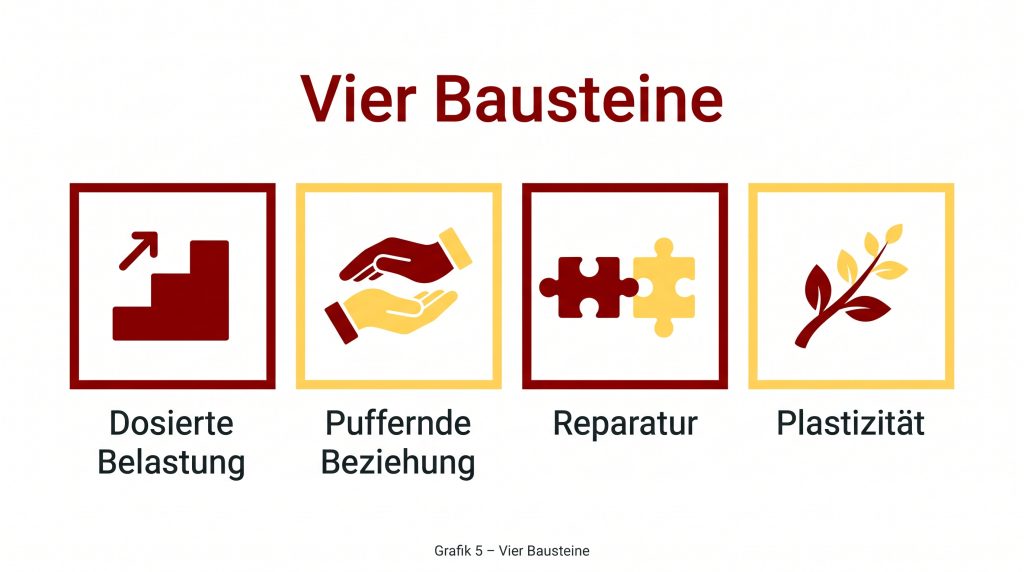
1. Dosed challenge. Shock absorbers do not develop without a road. The Center on the Developing Child at Harvard University distinguishes three forms of stress: positive stress, with brief increases in heart rate and stress hormones; tolerable stress, which is serious and temporary and is buffered by supportive relationships; and toxic stress, in which the stress system remains activated for a long time without protective relationships. There, positive stress within caring relationships is considered an important part of healthy development.
Animal studies show the principle particularly clearly. In the research group of David Lyons and Karen Parker at Stanford, brief, intermittent stress in young squirrel monkeys promoted the development of arousal regulation and resilience. Later, these animals showed fewer signs of anxiety, lower cortisol levels under stress and more sensitive feedback regulation of the stress axis. The dose is important: a moderate level of early stress acted like an inoculation, a minimal or a severe level did not. Chronic, severe stress, by contrast, impairs regulation. These findings come from animal models and can only be transferred to humans with caution.
2. Buffering relationships. Challenge alone does not build shock absorbers. What happens afterwards is decisive. When a young child’s stress system is activated within an environment of supportive relationships, the physical reactions are buffered and return to baseline. This is how a healthy stress system develops.
This is where the three factors of my model meet. The appreciation and presence of caregivers are the workshop in which the child’s shock absorbers are built. The child learns to calm down because they have been calmed again and again.

3. Repeated repair. No relationship is always in harmony. Misunderstandings, overload and small ruptures are part of it. They are precisely what matters – provided they are repaired. A study from Feldman’s research group found that, in highly reactive infants, well-attuned interaction provides a platform for repeatedly repairing momentary «errors» in the exchange.
Every successful repair is a small training session for the damper: something goes wrong, tension rises, and together you find your way back. What a child learns from this is not flawlessness, but trust in the return.
4. Lifelong plasticity. Shock absorbers can still be retrofitted later in life. Bruce McEwen describes the brain as the central organ of stress and adaptation, with considerable structural and functional plasticity that declines over the lifespan but is still present in the adult brain. Initial findings suggest that the consequences of early experiences can be changed by reactivating this plasticity.
In practice, this means that therapy, mindfulness-based approaches, co-regulation by parents or partners and an adapted environment are not cosmetic. They are the place where new shock absorbers are formed.
When the shock absorbers are missing
Without shock absorbers, every bump hits with full force. McEwen calls this allostatic load: in the short term, the body’s adaptive processes make sense; in the long term, they lead to wear and tear on body and brain. The Center on the Developing Child describes toxic stress as excessive or prolonged activation of the stress response systems, which can disrupt the development of brain architecture and increase the risk of stress-related disease well into adulthood.
In everyday life this often looks unspectacular: a child who falls apart after school. A mother who, after years of constant tension, has run out of patience. An adult who explodes or withdraws at the slightest thing. The problem is not the single bump, but the fact that the oscillation no longer dies down.
Sensitive nervous systems need good shock absorbers

This brings us to the theme of this year’s Biomarker Workshop. In ADHD, autism and PTSD we see increased sensitivity: these nervous systems take in more. To stay with the image, they travel on a bumpier road. Good shock absorbers are all the more important – and so is an environment that offers appreciation and presence instead of dealing out additional blows.
Sensitive people respond more strongly to their environment, for better and for worse. That is an opportunity: they in particular benefit from an environment in which all three factors are right.
What this means for practice
- Appreciation first: Establish safety before asking for change.
- Enable presence: Relieve parents, partners and teams so that they can truly be there.
- Dose the challenge: Do not avoid challenges, but scale them so that recovery remains possible.
- Practise repair: Do not fear ruptures in the relationship, but find the way back together.
- Make progress visible: Brain function analysis shows the state in which a nervous system is operating – arousal, vigilance, sensory processing. Repeated after twelve months, it reveals whether the shock absorbers have improved.
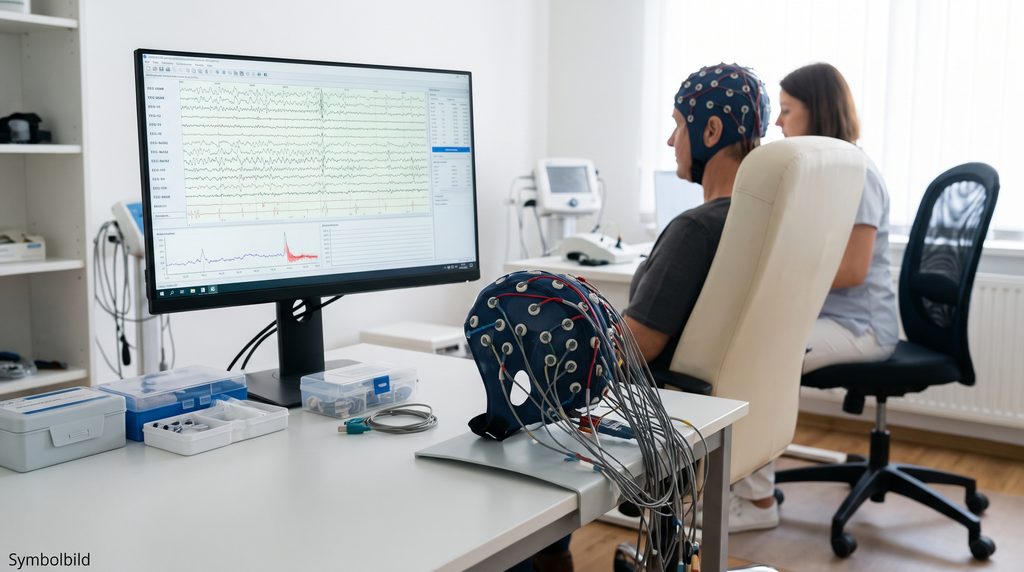
That is why we never treat just a symptom. We always also work on the system in which a person regulates themselves – or does not.
Biomarker Workshop 2026
Sensitivity and stress as connecting dimensions in ADHD, autism and PTSD: this is the focus of the 15th GTSG Biomarker Workshop. I will open the day at 9.15 a.m. with an introduction to the topic.
Biomarker Workshop 2026: Thursday, 10 December 2026, 9.00 a.m.–5.00 p.m., Paulus Akademie Zurich and online. CHF 100, 7 credits. Programme · Register now
References
- Center on the Developing Child at Harvard University (n.d.). Toxic Stress. developingchild.harvard.edu/science/key-concepts/toxic-stress (accessed 19 November 2026)
- Feldman, R. (2007). Parent–infant synchrony: Biological foundations and developmental outcomes. Current Directions in Psychological Science, 16(6), 340–345. doi:10.1111/j.1467-8721.2007.00532.x
- Lyons, D. M., Parker, K. J., Katz, M. & Schatzberg, A. F. (2009). Developmental cascades linking stress inoculation, arousal regulation, and resilience. Frontiers in Behavioral Neuroscience, 3, 32. doi:10.3389/neuro.08.032.2009
- McEwen, B. S. (2014). The brain on stress: The good and the bad. In M. Popoli, D. Diamond & G. Sanacora (Eds.), Synaptic Stress and Pathogenesis of Neuropsychiatric Disorders. Springer. doi:10.1007/978-1-4939-1056-4_1
- McEwen, B. S. & Gianaros, P. J. (2011). Stress- and allostasis-induced brain plasticity. Annual Review of Medicine, 62, 431–445. doi:10.1146/annurev-med-052209-100430
- National Scientific Council on the Developing Child (2005/2014). Excessive Stress Disrupts the Architecture of the Developing Brain (Working Paper 3, updated edition). Center on the Developing Child at Harvard University.
- Parker, K. J., Buckmaster, C. L., Hyde, S. A., Schatzberg, A. F. & Lyons, D. M. (2019). Nonlinear relationship between early life stress exposure and subsequent resilience in monkeys. Scientific Reports, 9, 16232. doi:10.1038/s41598-019-52810-5
- Pratt, M., Singer, M., Kanat-Maymon, Y. & Feldman, R. (2015). Infant negative reactivity defines the effects of parent–child synchrony on physiological and behavioral regulation of social stress. Development and Psychopathology, 27(4), 1191–1204. doi:10.1017/S0954579415000760