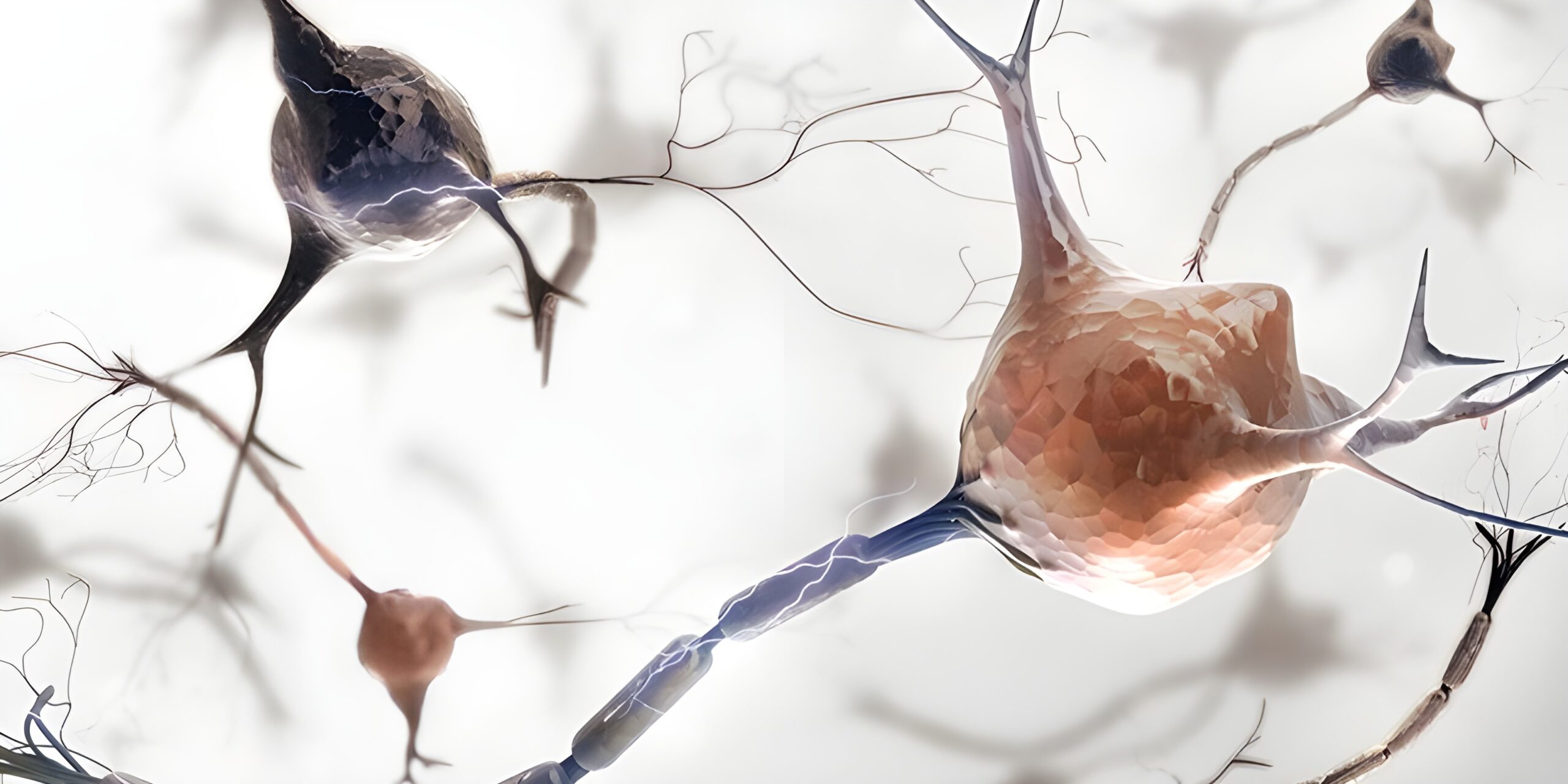
Post-traumatic stress disorder is often underestimated. A University of Turin study shows how trauma disrupts the cooperation of brain networks and increases sensitivity.
12 November 2026 · Andreas Müller
Post-traumatic stress disorder (PTSD) affects more people than is often assumed. It can be triggered by personal experiences, but increasingly also by a threatening global climate: natural disasters, wars, geopolitical tensions. The consequences can severely limit everyday life.
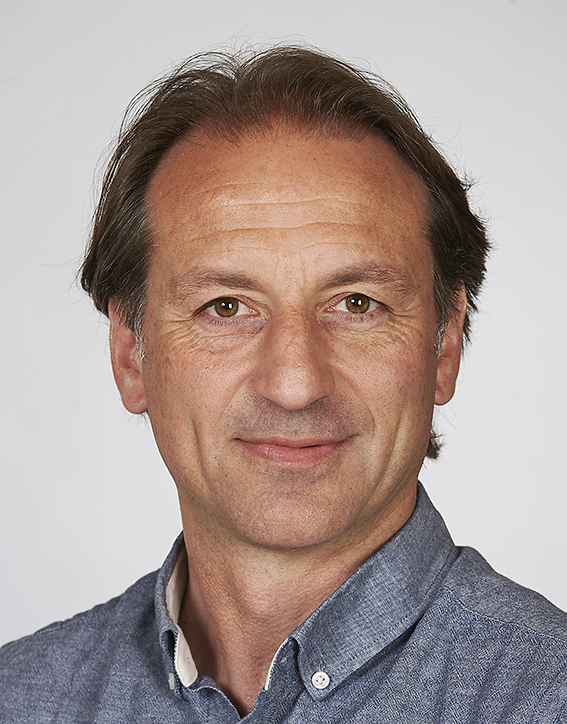
Fabian Bazzana leads the research groupe of the University of Turin
Psychologist Fabian Bazzana leads a research project on PTSD at the University of Turin. He has worked with neurofeedback for many years and co-authored a systematic review of infra-low frequency (ILF) neurofeedback. The GTSG collaborates with the Turin project.
What brain function analysis reveals
The team analysed the brain function analyses of 28 people with PTSD. The picture shows network decoupling: brain regions that normally work together are less well coordinated. In their place, local hyperactivations appear, apparently as compensation.
This compensation comes at a price. It throws the balance further off and leads to sensory hypersensitivity. The result is a vicious circle: dysregulation increases sensitivity, and greater sensitivity increases the response to stressful stimuli.
Can neurofeedback help?
In the Turin study, participants completed 20 sessions of infra-low frequency neurofeedback. Afterwards they showed better regulation of arousal. A second finding is notable: the effect on brain function was not the same for everyone. It depended on the state of the brain at the outset.
This matters in practice. Knowing the starting point allows treatment to be planned more precisely. A brain function analysis does not replace the clinical conversation; it adds an objective perspective to it.
The link to the workshop
The 2026 workshop starts from the idea that ADHD, autism and PTSD all involve heightened sensitivity to stimuli, but show different stress profiles. In trauma, this profile can be described as sensitised and decoupled. The Turin data give this description a neurobiological basis.
The talk
Fabian Bazzana speaks on Thursday, 10 December 2026, at 15.15 on “Trauma as a problem of sensitivity and stress: results of the Turin study”.
Biomarker Workshop 2026: Thursday, 10 December 2026, 9.00–17.00, Paulus Akademie Zurich and online. CHF 100.–, 7 credits. Talks are held in German, except those by Tony Attwood, Michelle Garnett and Lessa Schippers. Programme · Register now
Sources: text by Fabian Bazzana (November 2026) · Bazzana et al. 2022: Infra-Low Frequency neurofeedback, a systematic mixed studies review, Frontiers in Human Neuroscience