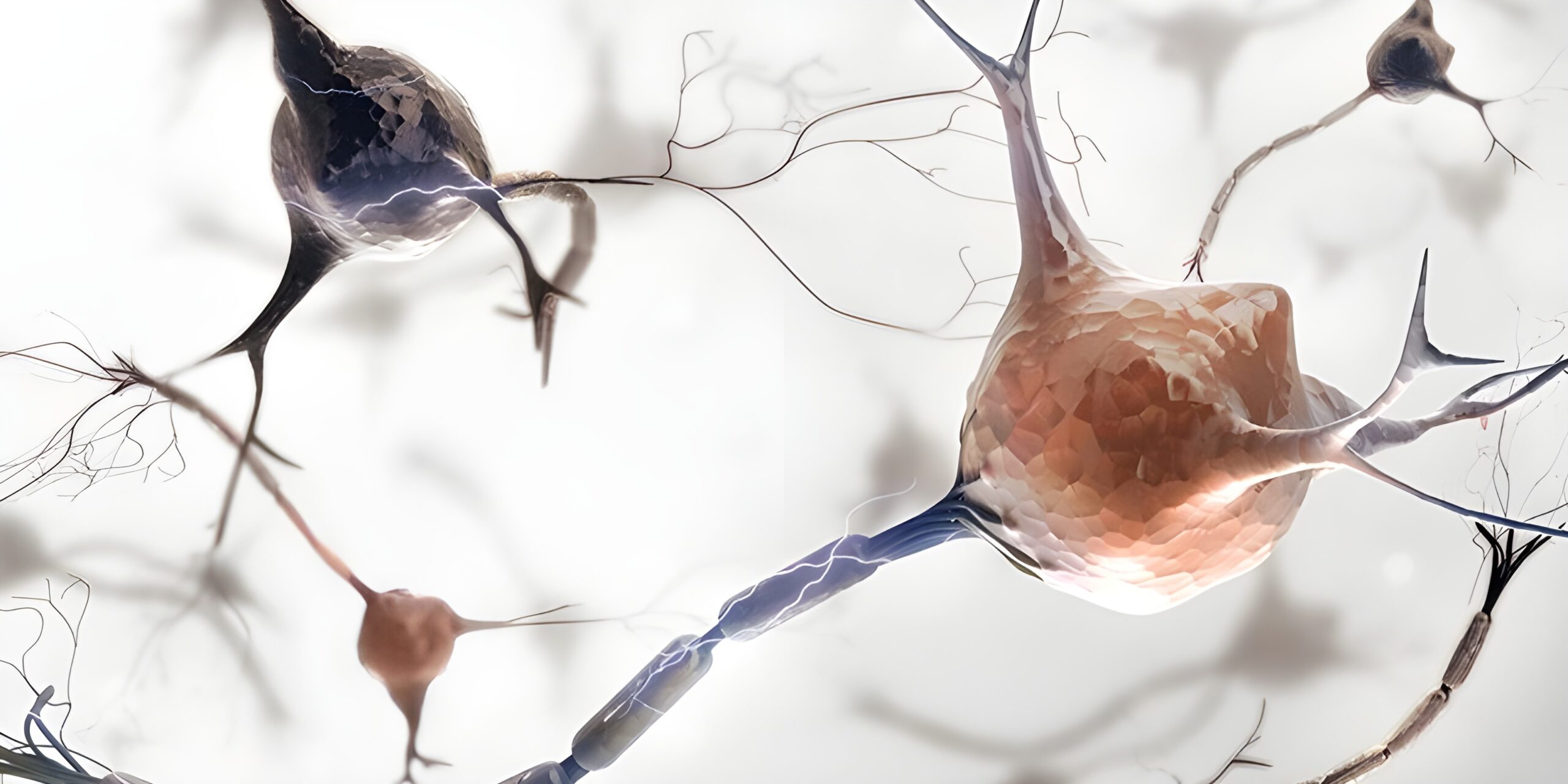
Autistic people experience distressing events more often than others. One short sentence explains why – and what follows for professionals, families and schools.
“Autistic people often experience trauma not because of autism itself, but because of how the world responds to autism.”
Trauma is not part of autism
The sentence shifts our perspective. Trauma is not part of autism. It often comes from outside: from misunderstanding, exclusion, lack of accommodations or constant correction. A child who sits in a noisy classroom every day, whose withdrawal is read as defiance and who is told again and again to behave “normally”, lives under constant stress.
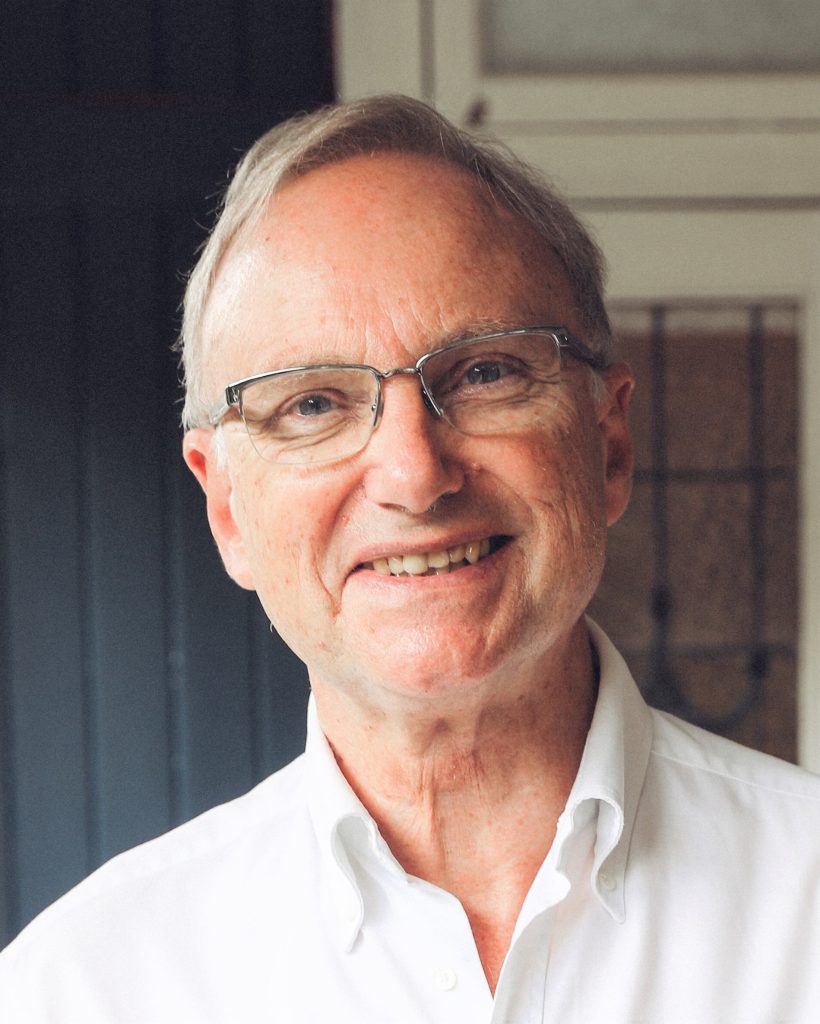
Prof. Tony Attwood is a clinical psychologist and is regarded as one of the world’s leading experts on autism. He has specialised in autism spectrum conditions since 1975, and his book “The Complete Guide to Asperger’s Syndrome” has become a standard work. He is an Adjunct Professor at Griffith University in Queensland and Senior Consultant at the Minds & Hearts Clinic in Brisbane. His areas of focus include diagnosis and therapy for children and adults, autism in women and girls, and the interplay between autism and trauma. In 2019 he co-founded Attwood & Garnett Events with Dr. Michelle Garnett.
Many of these experiences do not meet the narrow textbook criteria for “trauma”. They still have an impact. A study of autistic adults showed that everyday events such as social exclusion or bullying can also trigger post-traumatic symptoms (Rumball et al., 2020).
Sensitivity meets environment
This is where the link to the theme of the Biomarker Workshop 2026 lies. Sensitivity describes how much a nervous system takes in from its environment. Stress describes what taking it in costs the system. How high that cost is depends not only on the person, but also on the environment.
An environment that overwhelms, devalues or reacts with hostility drives stress up. An environment that understands and adapts brings it down. The nervous system stays the same; the burden does not.
What this means in practice
Support helps when it changes environments and attitudes, not when it tries to “fix” autistic people. In concrete terms:
- reduce noise, light and crowding and create places to retreat to
- understand behaviour as a signal, not a provocation
- respect different ways of communicating rather than trying to change them
- ask specifically about distressing experiences when taking a history, including bullying and exclusion
- work together in a trauma-informed, neurodiversity-affirming way: professionals, families and schools
This creates environments that prevent harm and foster safety – rather than systems that unintentionally create trauma.
At the Biomarker Workshop 2026
Prof. Tony Attwood and Dr. Michelle Garnett will speak at the workshop at 10.00 am with their keynote by video: “Hidden Presentations – Autism, ADHD and Trauma beyond the Stereotypes”.
Biomarker Workshop 2026: Thursday, 10 December 2026, 9.00 am–5.00 pm, Paulus Akademie Zurich and online. CHF 100, 7 credits. Programme · Register now
References: Rumball, F., Happé, F., & Grey, N. (2020). Experience of trauma and PTSD symptoms in autistic adults. Autism Research, 13(12), 2122–2132.
Based on texts by Prof. Tony Attwood and Dr. Michelle Garnett (Attwood & Garnett Events), adapted by the GTSG.