-
Autism assessment: the lost year
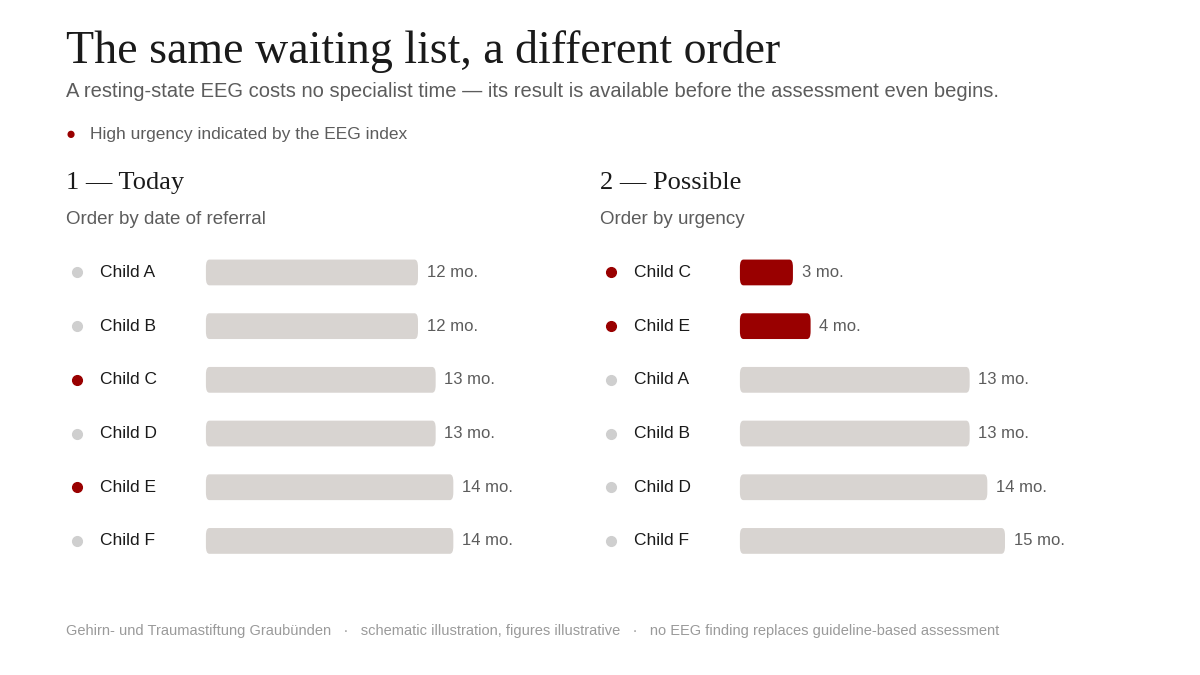
Why autism assessment is reaching its limits — and what measurable brain signals can contribute Parents notice something. The child is three, perhaps four years old, and something is unfolding differently than with the siblings or the other children at playgroup. They speak to their paediatrician, they receive a referral — and then they wait.…
-
High sensitivity and vigilance: the myth of the permanent alarm
A new bachelor’s thesis at the ZHAW is the first to test whether high sensitivity shows up in the event-related potentials of the EEG. The result sits poorly with the widespread image of a permanently over-aroused nervous system – and puts a different quantity at the centre instead: vigilance. The picture of a permanent alarm…
-
When ADHD and depression coincide: what the EEG reveals
-
Differentiating the use of methylphenidate and amphetamines in ADHD
A scientific analysis with particular reference to EEG, ERP and microstate biomarkers Summary Attention deficit hyperactivity disorder (ADHD) is one of the most common neurodevelopmental disorders, affecting around 5% of children and 2.5% of adults worldwide. Psychostimulants, in particular methylphenidate (MPH) and amphetamines (AMP), represent the first-line pharmacological treatment. Although both classes of substances increase…
-
ADHD, autism spectrum disorder and sleep problems: a systematic review of comorbidities, neurobiological mechanisms and evidence-based treatment approaches

Abstract Attention-deficit/hyperactivity disorder (ADHD), autism spectrum disorder (ASD), anxiety disorders and sleep disorders show high rates of comorbidity with complex bidirectional relationships. This systematic review analyses current research findings on prevalence, neurobiological mechanisms and evidence-based treatment approaches. More than 80% of people with ASD experience sleep problems, while 28% additionally meet criteria for ADHD. Anxiety…
-
Evolutionary archetypes of neurodiversity
ADHD – Autism – Anxiety – Hypersensitivity – PDA Brain and Trauma Foundation Grison (GTSG) Supplementary material for the Biomarker Workshop 2025 | 11 December 2025, Zurich Introduction: from pathology to an evolutionary perspective Modern neuroscience is beginning to understand that many conditions classified as “disorders” may have evolutionary origins. As Yuval Noah Harari describes…
-
Therapy and support in AuDHD – the neurodiversity approach
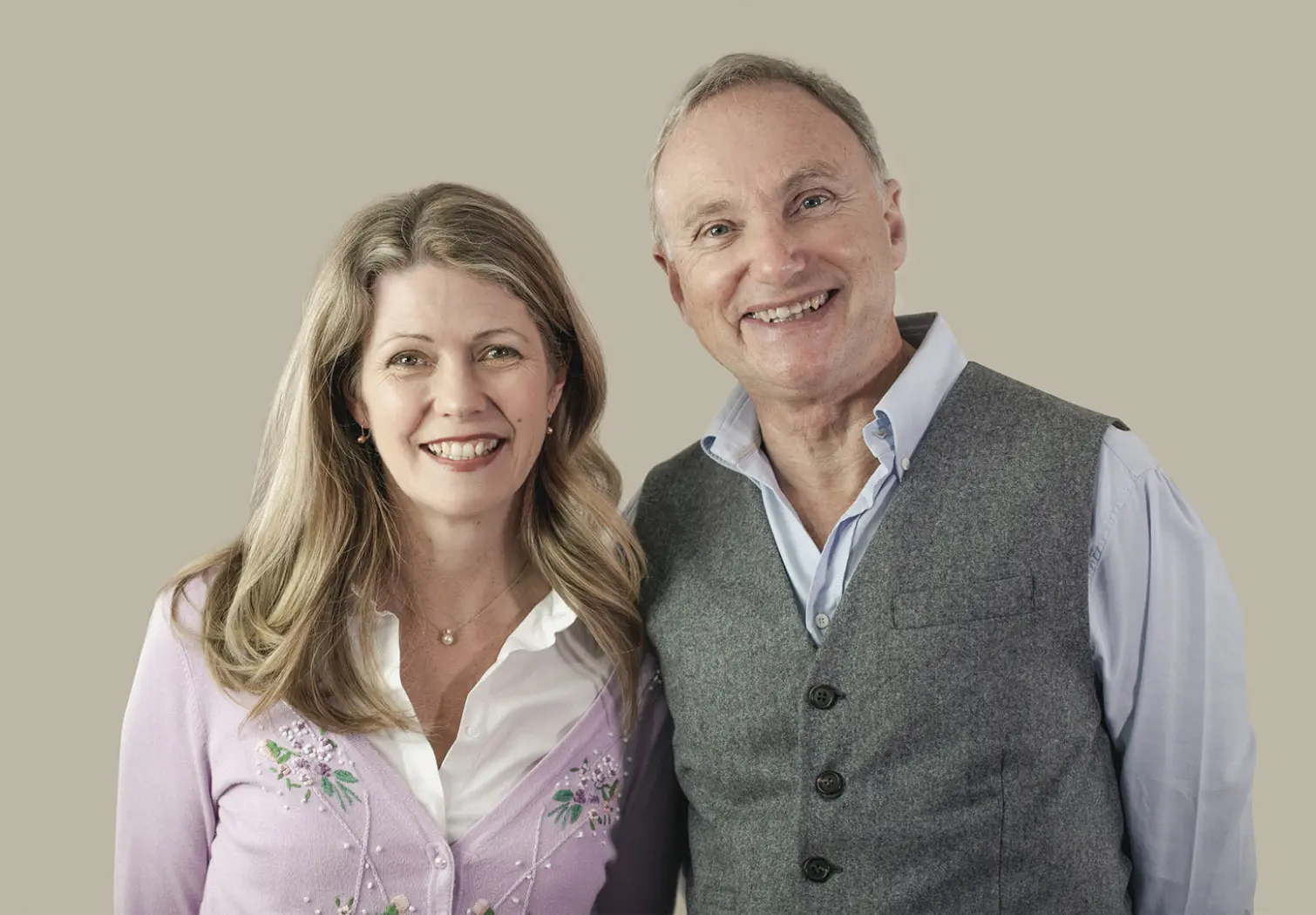
Part 5 of the article series on the Biomarker Workshop 2025 The treatment of people with autism and/or ADHD has changed fundamentally in recent years. Away from fighting symptoms, towards a holistic approach that understands neurodiversity as a natural variation of human neurology. The new paradigm: acceptance instead of normalisation Attwood and Garnett describe a…
-
Anxiety and sensory sensitivity in autism and ADHD
Part 4 of the article series on the Biomarker Workshop 2025 86% of autistic adults report daily problems with anxiety. This figure shows that anxiety in autism is not the exception but a central part of the experience. Anxiety disorders in autism: the figures Research by Zaboski et al. (2018) documents the various anxiety disorders…
-
Camouflaging – the exhausting art of masking
Part 3 of the article series on the Biomarker Workshop 2025 “I can dance. I can dance with anyone who wants to dance with me, but it is always their choreography.” This quote aptly describes what many autistic people – especially women – experience every day: they have learned to adapt, to follow social rules…
-
ADHD in women and girls – the invisible challenge
Part 2 of the article series on the Biomarker Workshop 2025 ADHD in girls and women often goes unrecognised for years. Unlike boys, who more often stand out through hyperactive and impulsive behaviour, girls show subtler symptoms – and are therefore systematically overlooked. Early signs: the daily struggle begins According to Attwood and Garnett, many…
-
AuDHD – when autism and ADHD meet
Insights from 80 years of clinical practice by Prof. Tony Attwood and Dr Michelle Garnett Part 1 of the article series on the Biomarker Workshop 2025 For a long time, autism and ADHD were regarded as mutually exclusive diagnoses. Only with the DSM-5 revision in 2013 was it recognised what those affected and experienced clinicians…
-
When subjective experience and objective measurement complement each other
Integrating neurobiological diagnostics in child and adolescent psychiatry – a unifying approach for ADHD, autism, anxiety disorders and hypersensitivity A bridge-builder between worlds Dr. med. Birgit Graf, specialist in child and adolescent psychiatry and psychotherapy, embodies an approach that connects rather than divides. As medical director of BrainARC-Ostschweiz, she has for years successfully integrated the…
-
Between worlds: Matthias Huber and the therapeutic power of lived experience
The bridge-builder who understands both sides Whenever Matthias Huber leaves his house, he always carries a cap, noise-cancelling headphones and sunglasses. Not for reasons of fashion, but as a shield against a world that is often overwhelming for him. Stimuli that other people barely notice can feel like electric shocks to the 56-year-old psychologist. Matthias…
-
Dimensional diagnostics: why we should diagnose patterns rather than pigeonholes
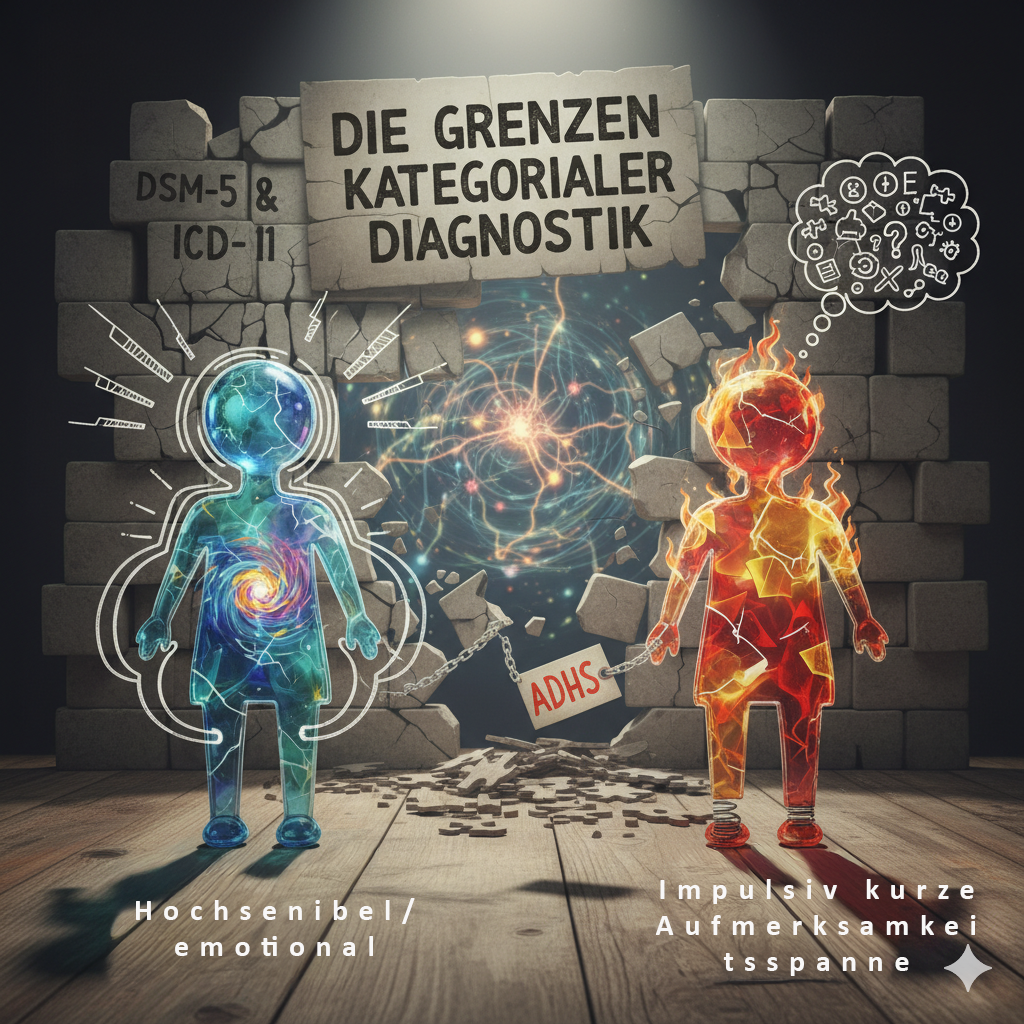
Psychiatric diagnostics is facing a paradigm shift. While for decades we have tried to fit our patients into clearly delineated diagnostic categories – ADHD, autism, anxiety disorder, hypersensitivity – current research paints a completely different picture: these conditions overlap massively. The sharp boundaries suggested by our diagnostic manuals do not exist in reality. What we…
-
BrainARC Zürich: where brain function and clinical expertise meet
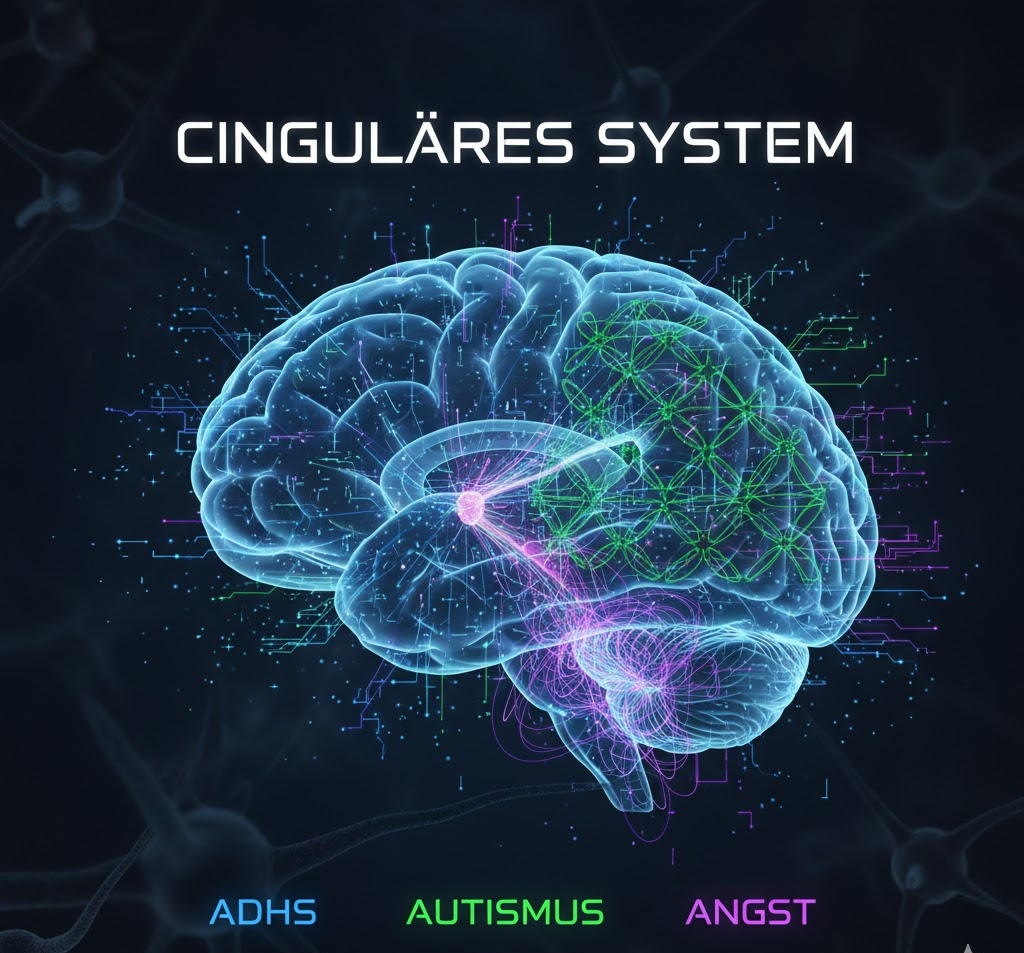
Neurobiological precision in clinical practice: Dr Corinne Henzen and the integration of objective markers BrainARC Zürich occupies a special position in Switzerland’s psychiatric care landscape. The competence centre, with 14 highly qualified specialists from psychology, neuropsychology, medicine and administration, is consistently committed to an integrative approach: combining traditional clinical expertise with objective neurobiological measurements. This…
-
How Skopje and the GTSG are making the biological basis of autism more objectively diagnosable
Scientific excellence meets clinical implementation When Prof. Dr Silvana Markovska-Simoska and Dr Aleksandar Tenev present their talk “Neurophysiological Recognition and Its Implementation in Clinical Practice” at the 14th Biomarker Workshop in Zurich on 11 December 2025, they will demonstrate more than research findings: they will show how objective biomarker diagnostics for autism is moving from…
-
When demands become a threat: understanding PDA within the autism spectrum

-
Beyond the Stereotypes: why Tony Attwood and Michelle Garnett are speaking at the Biomarker Workshop 2025

-
Manifesto for integrating brain function analysis into psychiatric diagnostics
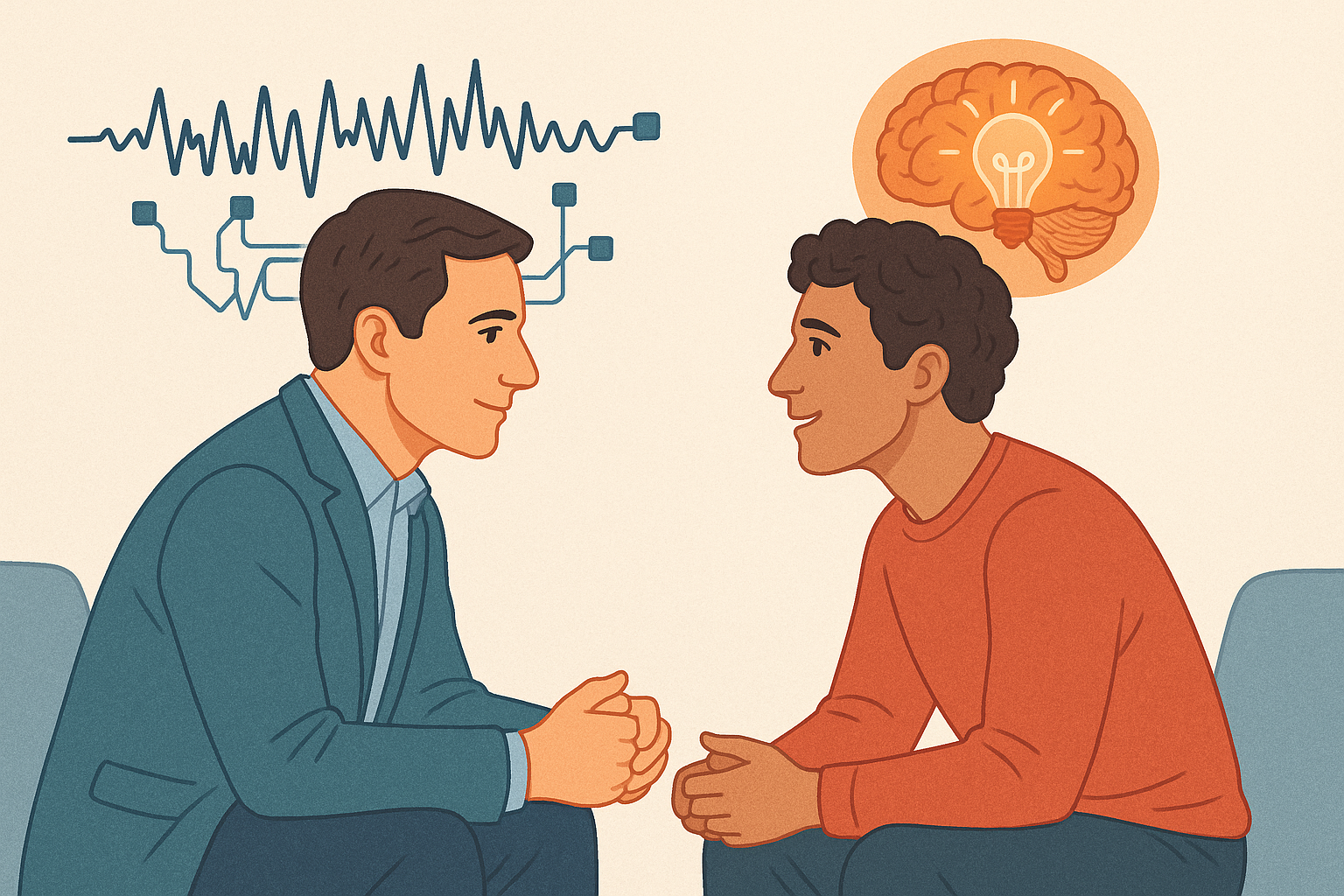
Preamble: from either-or medicine to both-and medicine Modern psychiatry is at a turning point. With more than 970 million people worldwide affected by mental disorders, and diagnostic agreement rates for major depression reaching kappa values of just 0.28–0.32, it is time to expand our diagnostic tools. Brain function analysis (BFA) is not a competitor to…
-
The economic costs of diagnostic inaccuracy: Why objective biomarkers represent an investment in the future
The scientific evidence for the superiority of neurobiological biomarkers over subjective diagnostic methods is supported by a convincing health economic analysis that highlights the hidden costs of current diagnostic inaccuracy. The hidden cost burden of incorrect diagnoses The systematic reliability problems of psychiatric diagnostics lead to enormous, often invisible costs in the healthcare system. If…
Save the Date · Biomarker Workshop 2026 — 10. Dezember 2026, Paulus Akademie Zürich Jetzt anmelden →
Save the Date · Biomarker Workshop 2026 — 10 December 2026, Paulus Akademie Zurich Register now →