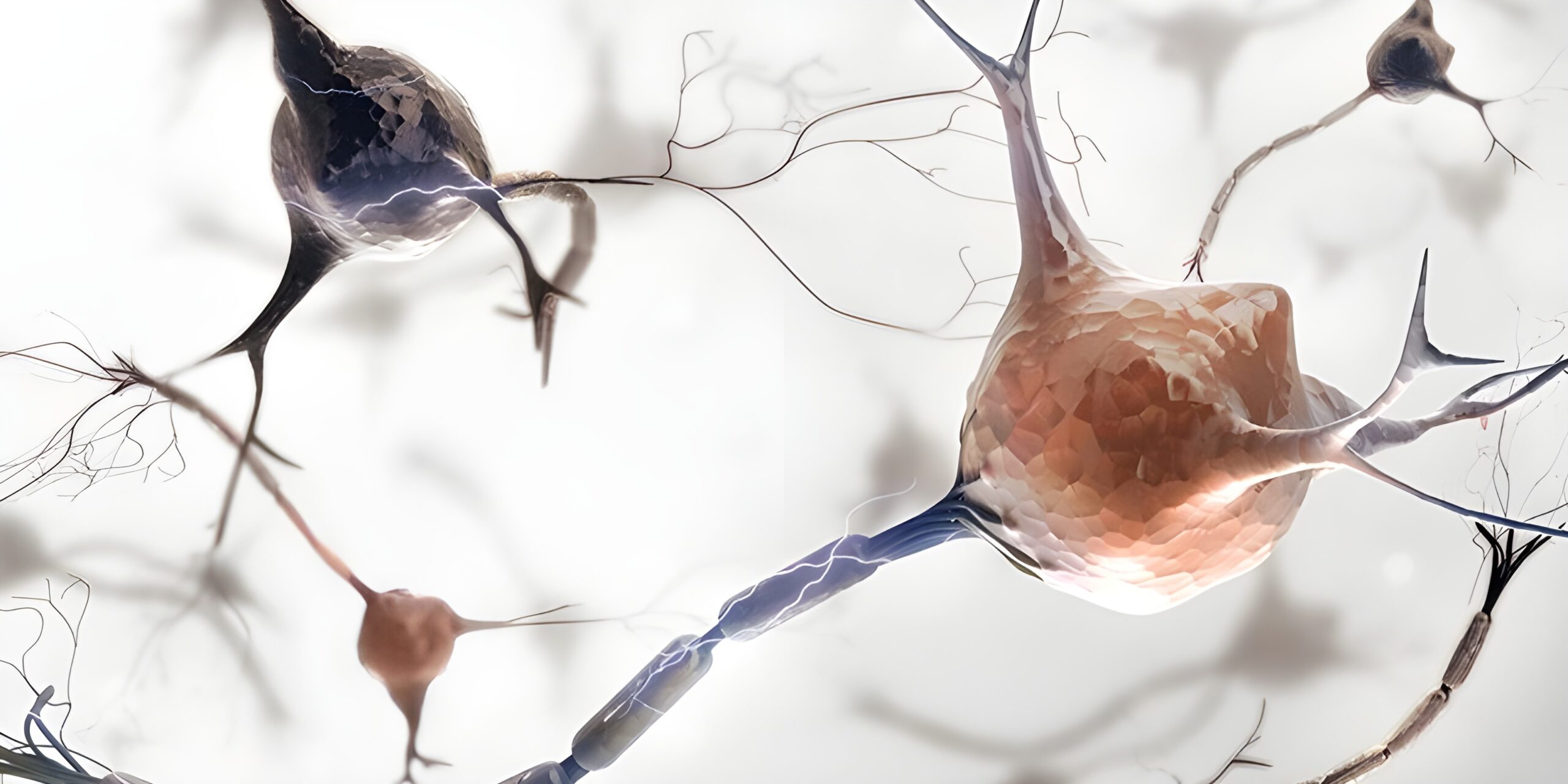
An autistic adult describes a twofold sense of isolation: closed off from the outside and cut off from the inside. Behind this lies a topic that is often overlooked in diagnosis and therapy – interoception.
“Autism is being locked inside yourself, but it’s being disconnected from yourself too.”
Autistic adult
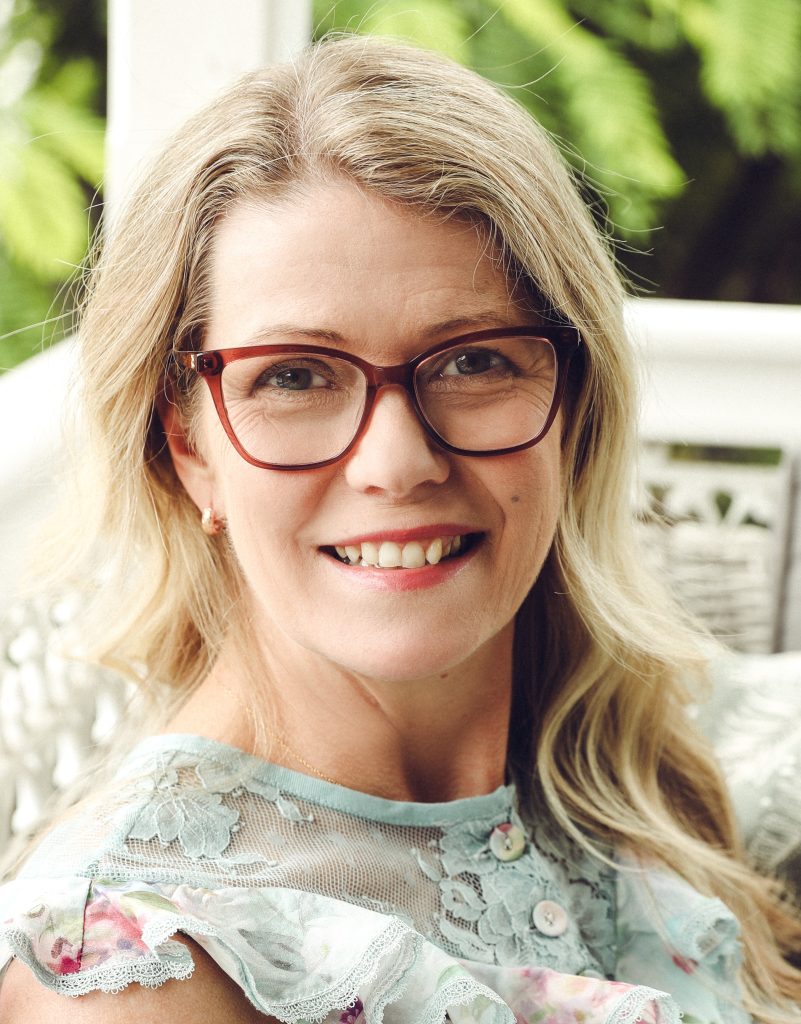
Dr. Michelle Garnett works in a clinical setting with patients with ADHD, autism and PTSD.
Locked inside yourself
The first part of the sentence describes something familiar: the feeling of being trapped in your own head. Thoughts and feelings are there, but they are hard to communicate. This creates distance from the outside world.
Disconnected from yourself
The second part is less well known. It describes a disconnection on the inside. The technical term is interoception: the perception of signals from one’s own body such as hunger, thirst, heartbeat, tension or tiredness. In many autistic people this perception is different. Feelings, thoughts and bodily signals are harder to read and make sense of.
Together, this adds up to a twofold isolation: from others and from oneself.
Strong signals from outside, weak signals from within
This idea is central to the 2026 workshop. Many autistic people perceive stimuli from the outside particularly intensely: sounds, light, touch. Signals from within, by contrast, often arrive muted or delayed.
This has consequences for how stress is handled. If you do not notice tension in your own body early, you cannot take countermeasures in time. The strain builds up unnoticed until it suddenly shows as a meltdown, a shutdown or complete exhaustion. To parents and professionals this seems to come “out of the blue” – for the nervous system, it has been a long road.
What helps
- name bodily signals together: “Your tummy is tense, you are breathing fast.”
- make feelings visible with concrete aids, for example scales, colours or pictures
- schedule regular breaks rather than waiting for a sign of exhaustion
- practise interoception deliberately, for example with mindfulness-based elements
- use objective approaches: brain function analysis can make arousal and vigilance visible, complementing what is hard to perceive from within
The autistic adult’s words remind us that support has to go in two directions: towards other people and towards one’s own body.
At the Biomarker Workshop 2026
Prof. Tony Attwood and Dr. Michelle Garnett will speak at the workshop at 10.00 am with their keynote by video: “Hidden Presentations – Autism, ADHD and Trauma beyond the Stereotypes”.
Biomarker Workshop 2026: Thursday, 10 December 2026, 9.00 am–5.00 pm, Paulus Akademie Zurich and online. CHF 100, 7 credits. Programme · Register now
Based on texts by Prof. Tony Attwood and Dr. Michelle Garnett (Attwood & Garnett Events), adapted by the GTSG.