Skip to content
  • GTSG Board Member Pius Baschera Appointed Honorary Councillor of ETH Zurich

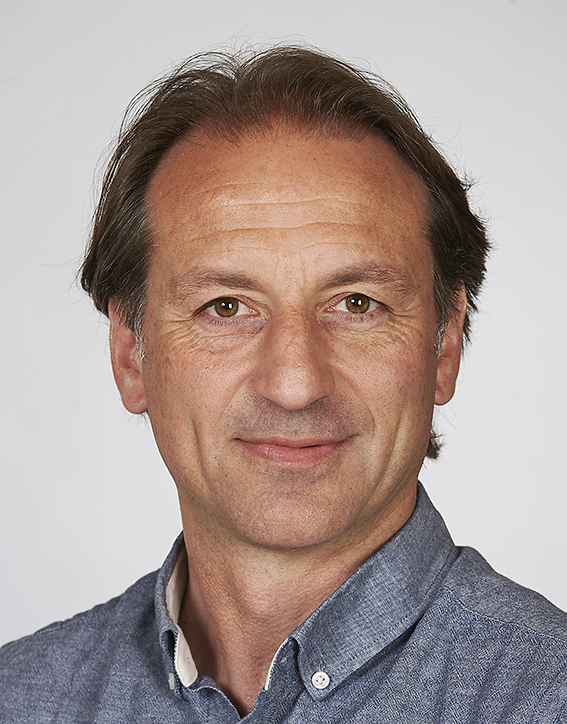
    At ETH Day 2026, ETH Zurich appointed Prof. em. Dr. Pius Baschera – member of the GTSG Board of Trustees, former Hilti CEO and long-standing President of the ETH Foundation – as Honorary Councillor. We warmly congratulate him.

    November 21, 2026
  • Appreciation, presence and good shock absorbers in a biopsychosocial interaction model
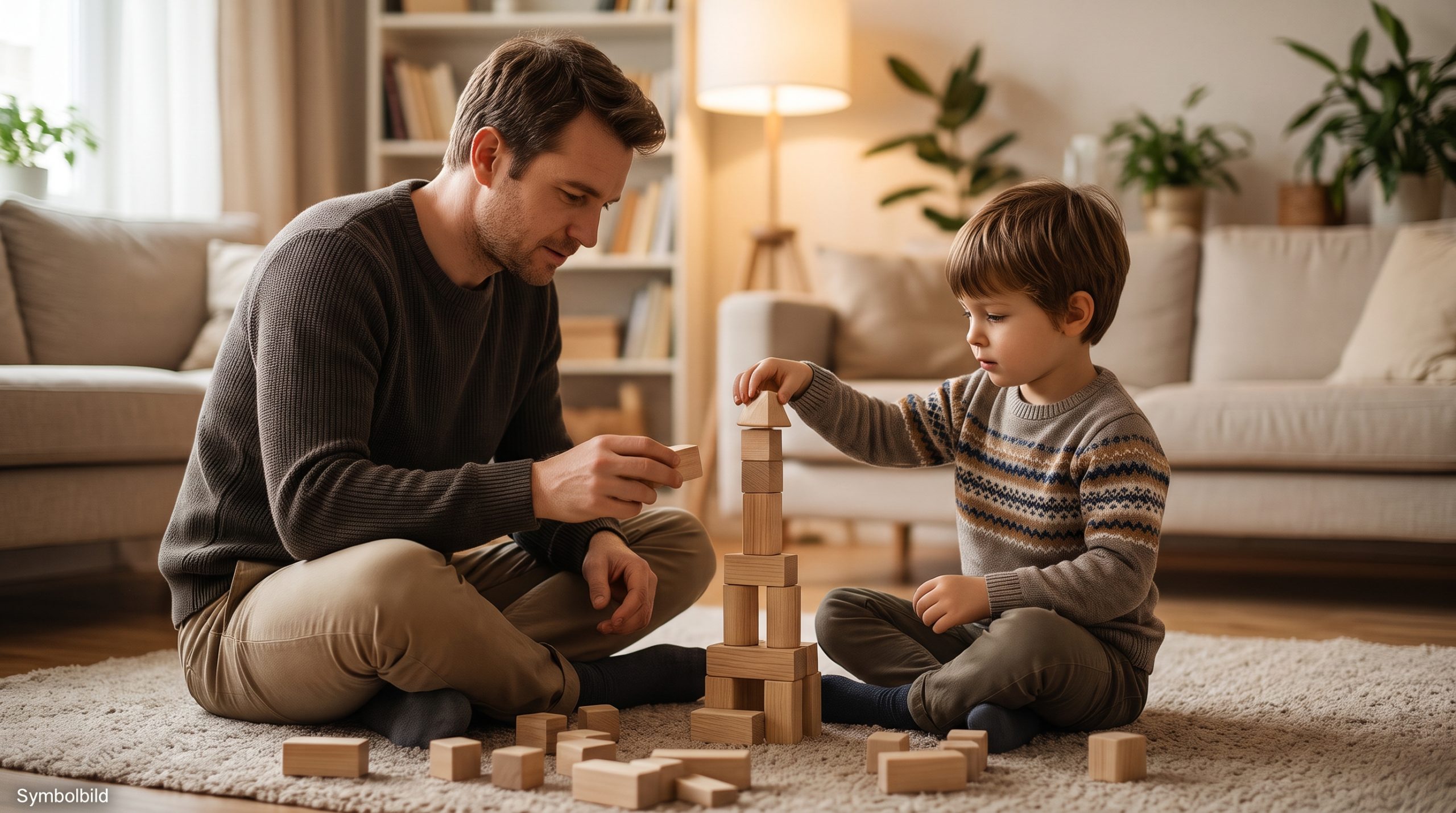
    Appreciation, presence and good shock absorbers in a biopsychosocial interaction model

    What keeps a person healthy does not arise within them alone, but between them and others. For years I have been working with a biopsychosocial interaction model that places three factors at its centre: appreciation, engagement and stress resilience. For the third, I like to borrow an image from engineering – shock absorbers. Dr. phil.…

    November 19, 2026
  • Locked inside yourself – and disconnected from yourself

    Locked inside yourself – and disconnected from yourself

    An autistic adult describes a twofold sense of isolation. Behind it lies interoception – and its importance for dealing with stress.

    November 16, 2026
  • It is not autism that causes harm, but how the world responds

    It is not autism that causes harm, but how the world responds

    Autistic people often experience trauma not because of autism, but because of how the world responds to it. What this means for professionals, families and schools.

    November 16, 2026
  • Autistic shutdown or trauma shutdown?

    Autistic shutdown or trauma shutdown?

    A shutdown can look almost the same in autism and in trauma. But the triggers and meaning differ – and that difference shapes diagnosis and treatment.

    November 16, 2026
  • Same reaction, different cause: sensory processing and stress in paediatric practice

    Same reaction, different cause: sensory processing and stress in paediatric practice

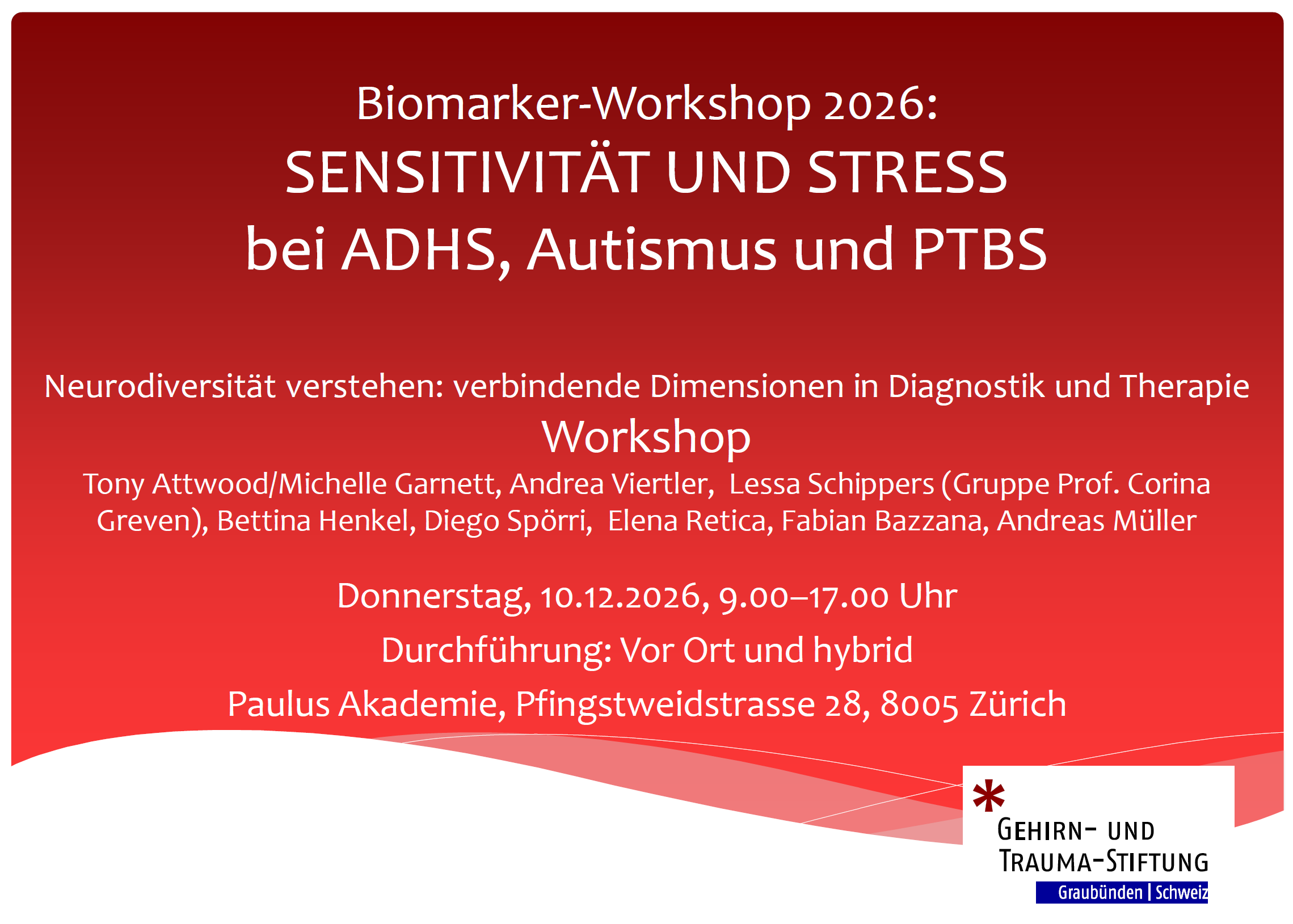
    Sensory overload, distractibility, withdrawal: in children with ADHD, autism or PTSD, much looks alike. Yet quite different mechanisms may lie behind it. On 10 December, Dr. med. Diego Spörri will show how brain function analysis can help make these pathways visible. In the waiting room the phone rings, a baby cries next door, the door…

    November 16, 2026
  • The first port of call: ADHD, autism and trauma in paediatric practice

    The first port of call: ADHD, autism and trauma in paediatric practice

    ADHD, autism and trauma can look alike from the outside, yet need different treatment. Dr Diego Spörri shows at the Biomarker Workshop 2026 how a focus on sensitivity and stress helps in paediatric practice.

    November 16, 2026
  • Functioning is not the same as being regulated: Elena Retica on diagnosis and self-understanding

    Functioning is not the same as being regulated: Elena Retica on diagnosis and self-understanding

    At the Biomarker Workshop 2026, Elena Retica shows why a diagnosis is only the beginning – and how sensitivity, stress and self-regulation are connected.

    November 13, 2026
  • When the brain loses its coherence: what the Turin PTSD study shows

    When the brain loses its coherence: what the Turin PTSD study shows

    A University of Turin study shows how trauma disrupts the cooperation of brain networks and increases sensitivity. Fabian Bazzana presents the results at the Biomarker Workshop 2026.

    November 9, 2026
  • Sensitive, not broken: what research from Nijmegen shows about ADHD, autism and sensitivity

    Sensitive, not broken: what research from Nijmegen shows about ADHD, autism and sensitivity

    Whether high sensitivity is a burden or a strength often depends less on the diagnosis than on the environment. Lessa Schippers presents the work of Prof. Corina Greven’s group at the Biomarker Workshop 2026.

    November 9, 2026
  • “Is it all connected?”

    “Is it all connected?”

    How a wealth of findings can become an understandable explanation – and what our four-axis model aims to contribute

    November 2, 2026
  • Why we are not made for this life

    Why we are not made for this life

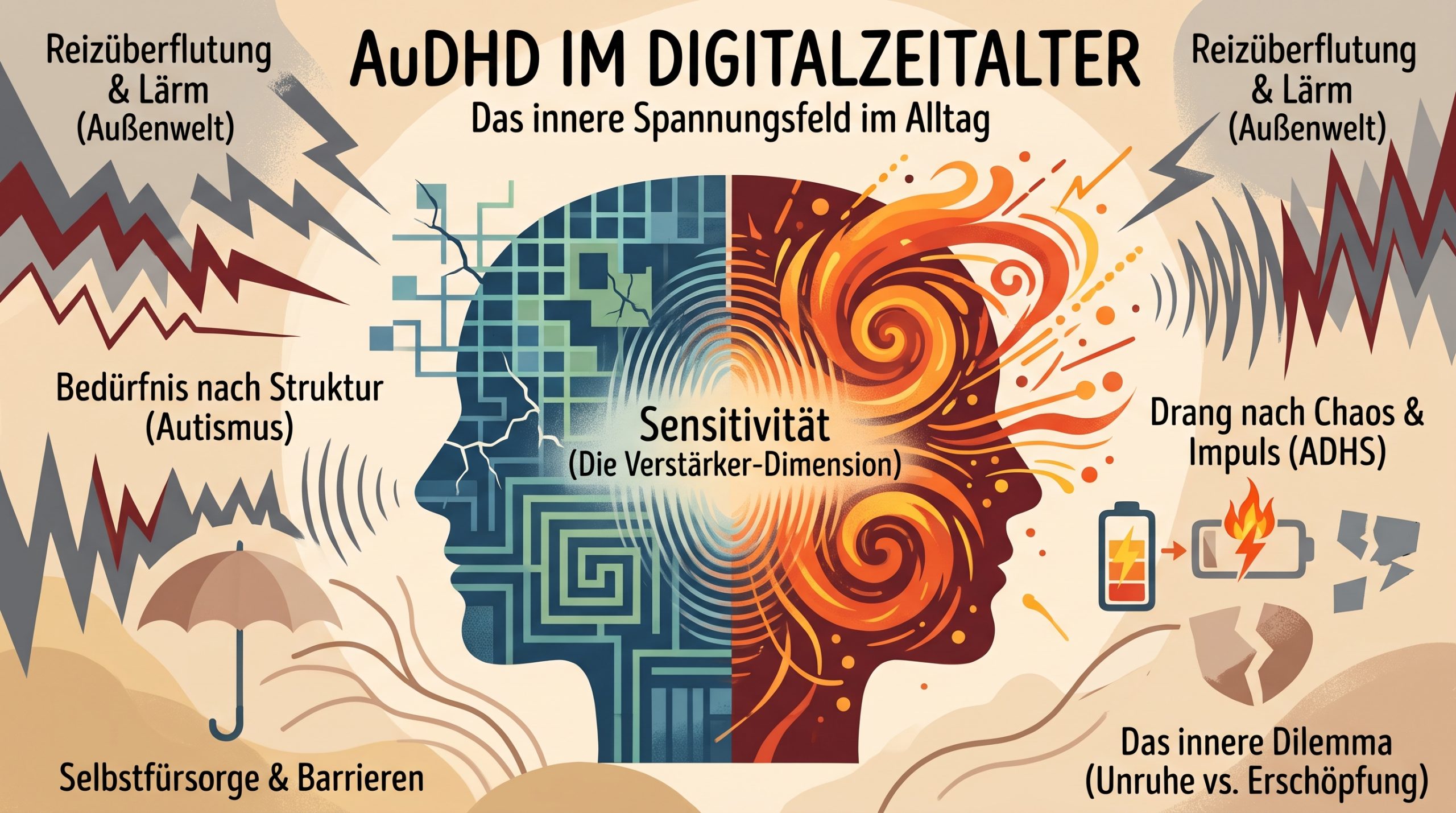
    Nov 1, 2026 · @Andreas Müller A Stone Age brain in the digital age: what ADHD, autism, trauma and sensitivity have to do with our origins An insight into Bettina Henkel’s treatment concept – a foretaste of the Biomarker Workshop 2026 on 10 December in Zurich “Is ADHD an illness?” Bettina Henkel, neurologist and psychiatrist/psychotherapist,…

    November 1, 2026
  • “Our first lovely holiday in years”

    “Our first lovely holiday in years”

    29 Oct 2026 · @Andreas Müller What changes in a family when everyone pulls in the same direction Six months ago, daily outbursts dominated family life. Today, a mother talks about holidays that felt worth living for the first time in years. A story about clarity, patience and sticking with it together. “Our first lovely…

    October 30, 2026
  • 35 minutes that never reach the assessment
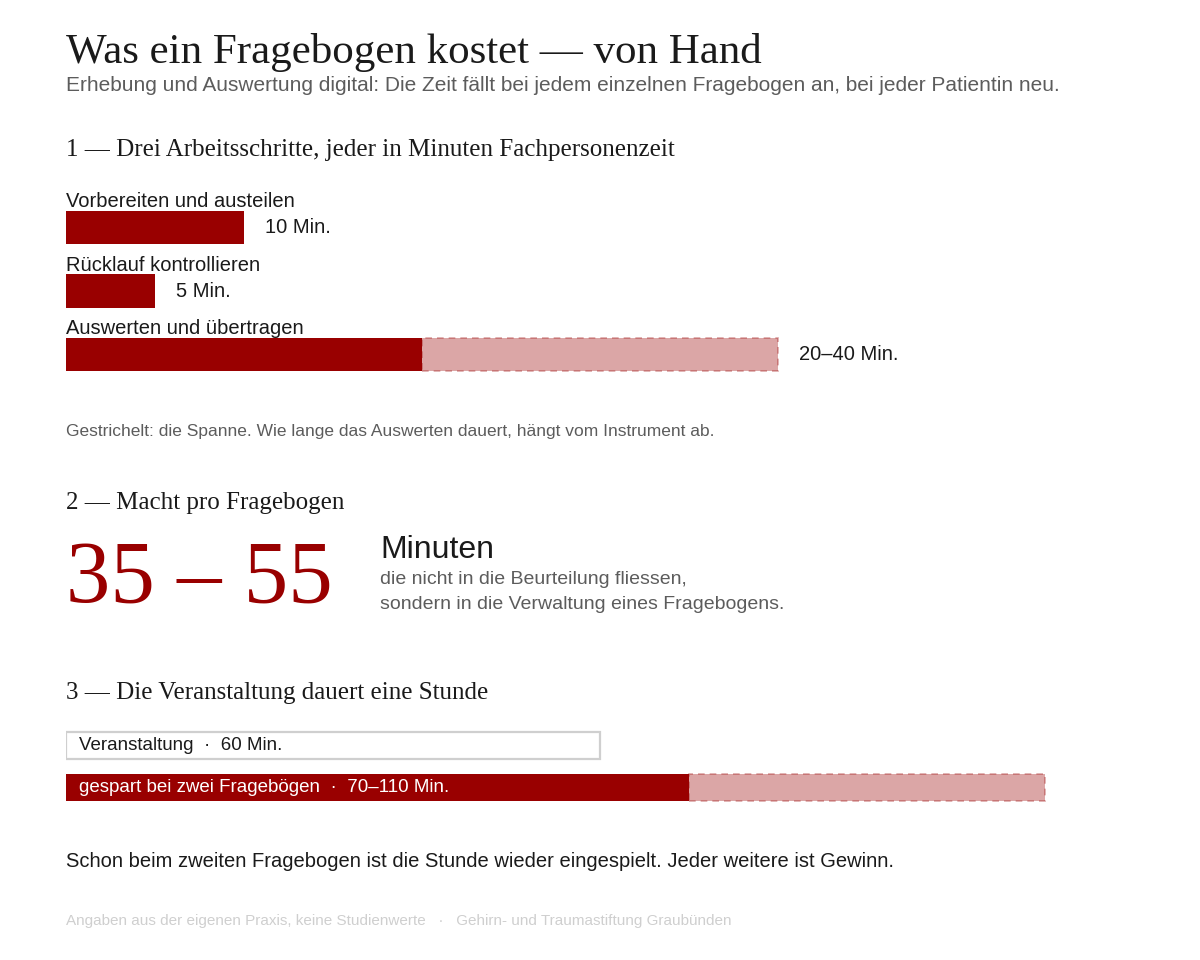
    35 minutes that never reach the assessment

    What a clinical questionnaire costs when done by hand — and why nobody bills for it There is a kind of work that appears in no service billing, in no quality report and in no discussion about waiting times. It arises before the actual work begins, and it arises anew every time. A clinical questionnaire…

    October 26, 2026
  • The headphones are not an accessory

    The headphones are not an accessory

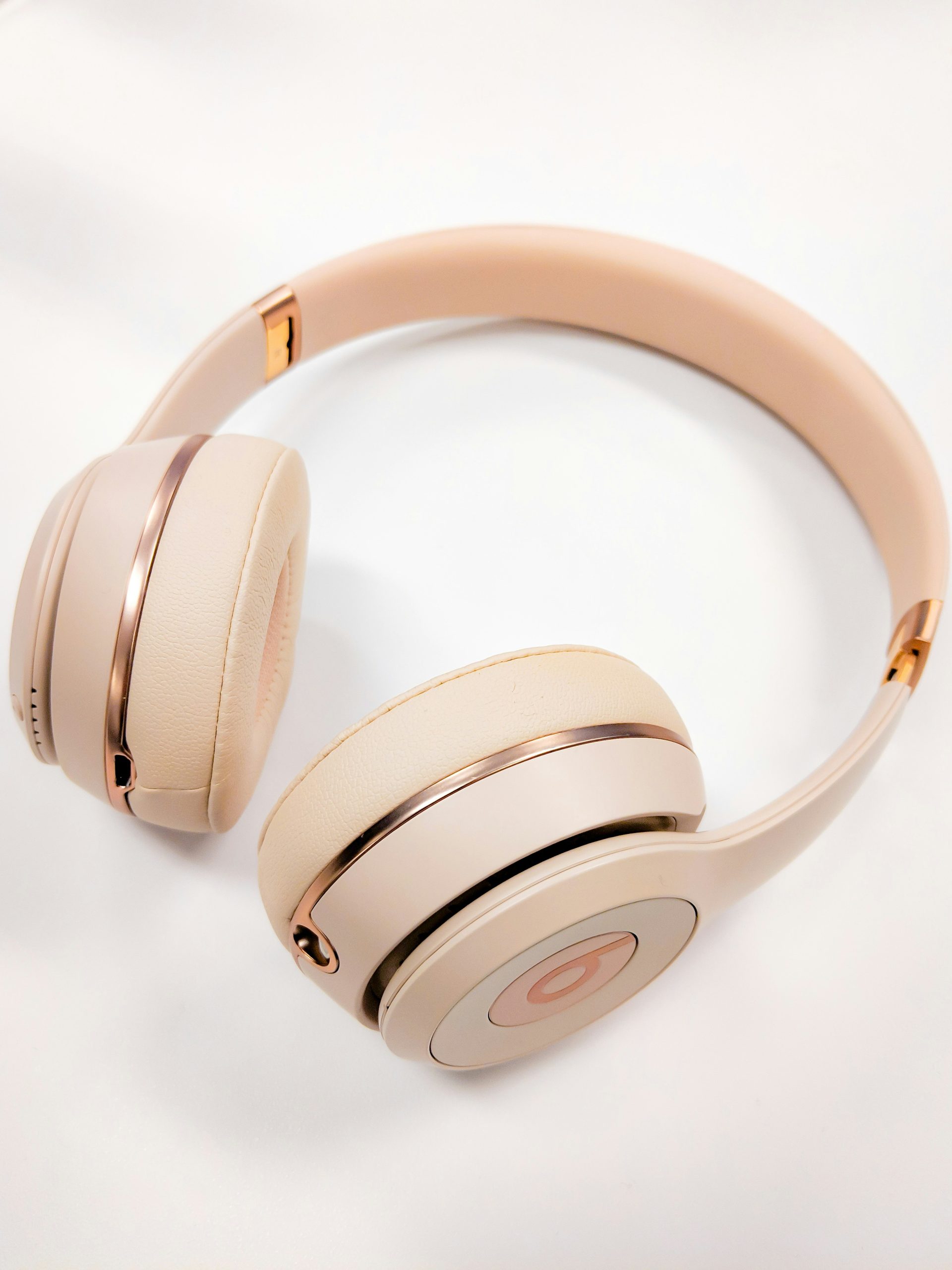
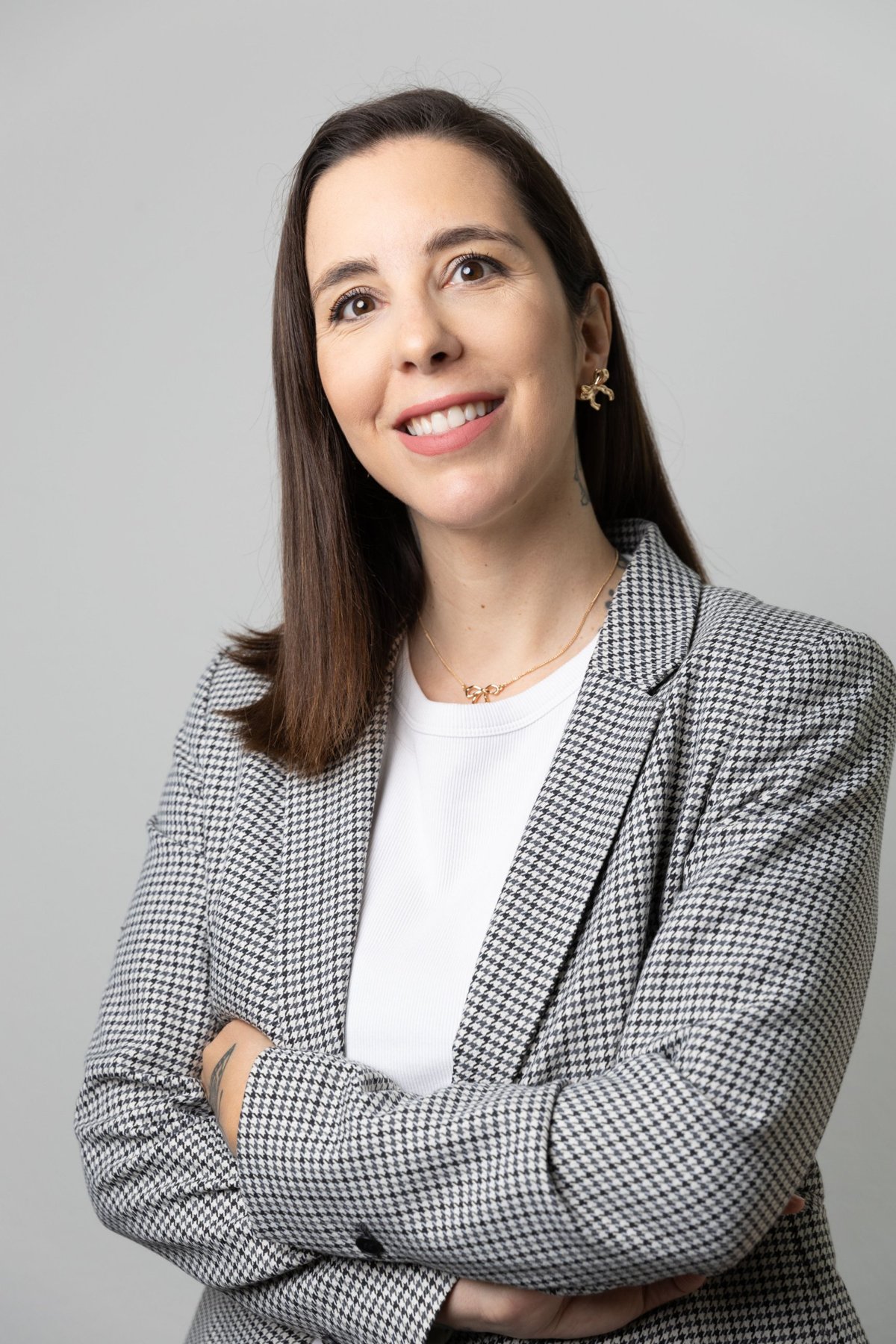
    Why sensitivity and stress cut across diagnoses — and what the Biomarker Workshop in December sets out to examine In a portrait published recently in a Swiss online magazine, a young woman describes her everyday life with autism. She almost always wears headphones. Not to listen to music — but to turn the noise down…

    October 26, 2026
  • Diagnosed in third grade — and then?

    Diagnosed in third grade — and then?

    Why an early assessment does not by itself make for a good time at school We often write here about waiting times. About families who wait a year or longer for an assessment appointment, and about where time could be gained in this bottleneck without sacrificing quality. That remains true. A newspaper portrait published recently…

    October 26, 2026
  • When perception becomes a constant burden

    When perception becomes a constant burden

    Why autism, sensitivity and stress are connected — and what follows for everyday life Part 2 of two. Part 1 — The Dimension Beneath the Diagnoses — has been online since 5 September and announces this text. The previous post asked whether sensitivity is the dimension beneath the diagnoses — the common denominator of ADHD,…

    October 26, 2026
  • Understand first, then treat: a look back at the Bad Ragaz lecture

    Understand first, then treat: a look back at the Bad Ragaz lecture

    On Thursday, 8 October 2026, Dr Andreas Müller spoke at the Logosynthese Institut Schweiz in Bad Ragaz and online about ADHD within the spectrum of neurodiversity. The key points are summarised here; the slides are available for download (in German). Two adults, one diagnosis Marco, 38, is permanently wired: restless inside, starts a great deal…

    October 10, 2026
  • Annual report 2025: Looking more closely — helping more precisely

    «Looking more closely — helping more precisely»: under this motto the Brain and Trauma Foundation Grison looks back on 2025 — a year of deepening and differentiation. In social integration, job coach Angelica Tuor carried the «La Cumpogna» programme forward with great personal commitment and opened the way into the primary labour market for people…

    October 10, 2026
  • Yes or no? Why a questionnaire has to do more

    Yes or no? Why a questionnaire has to do more

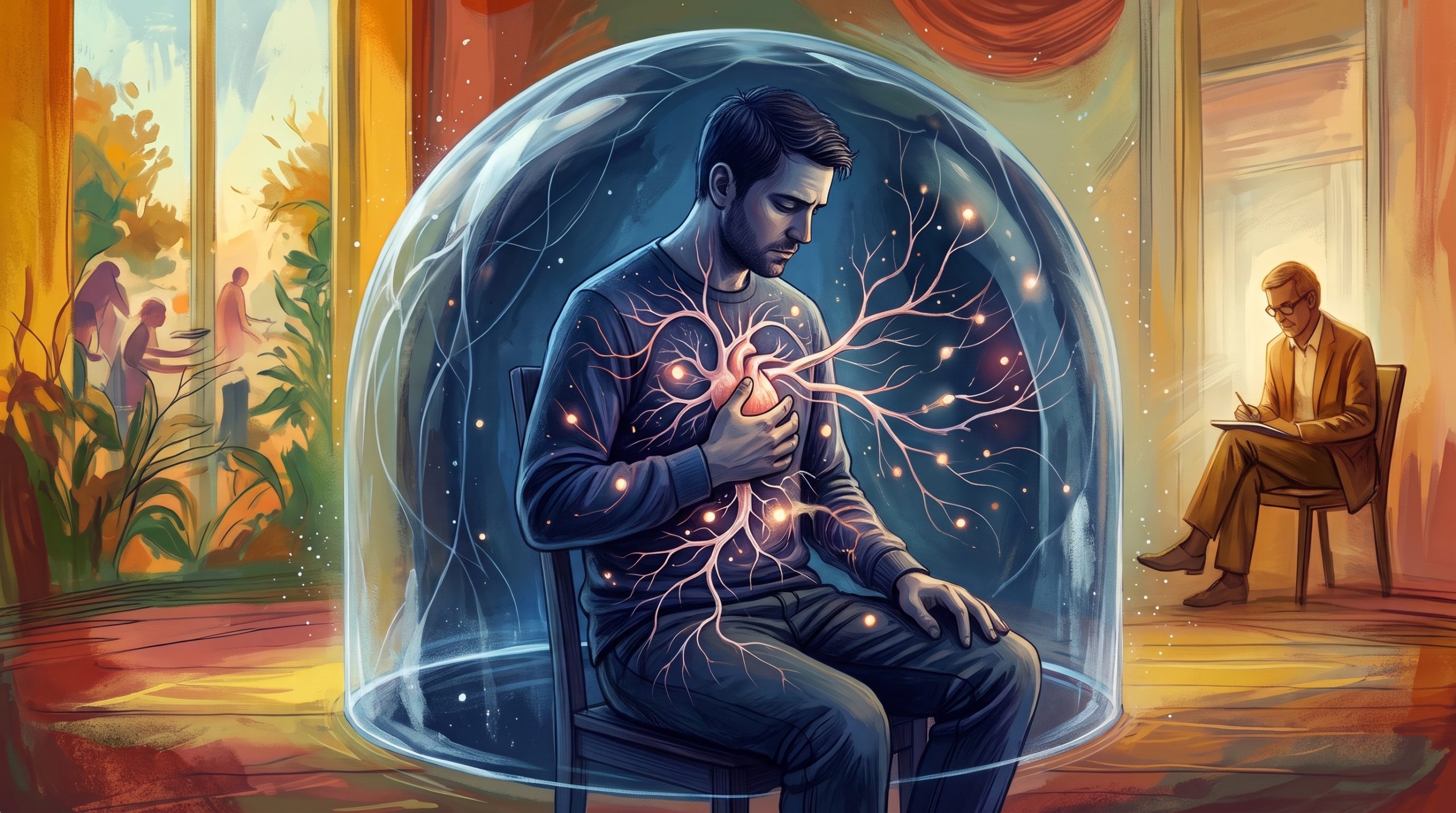
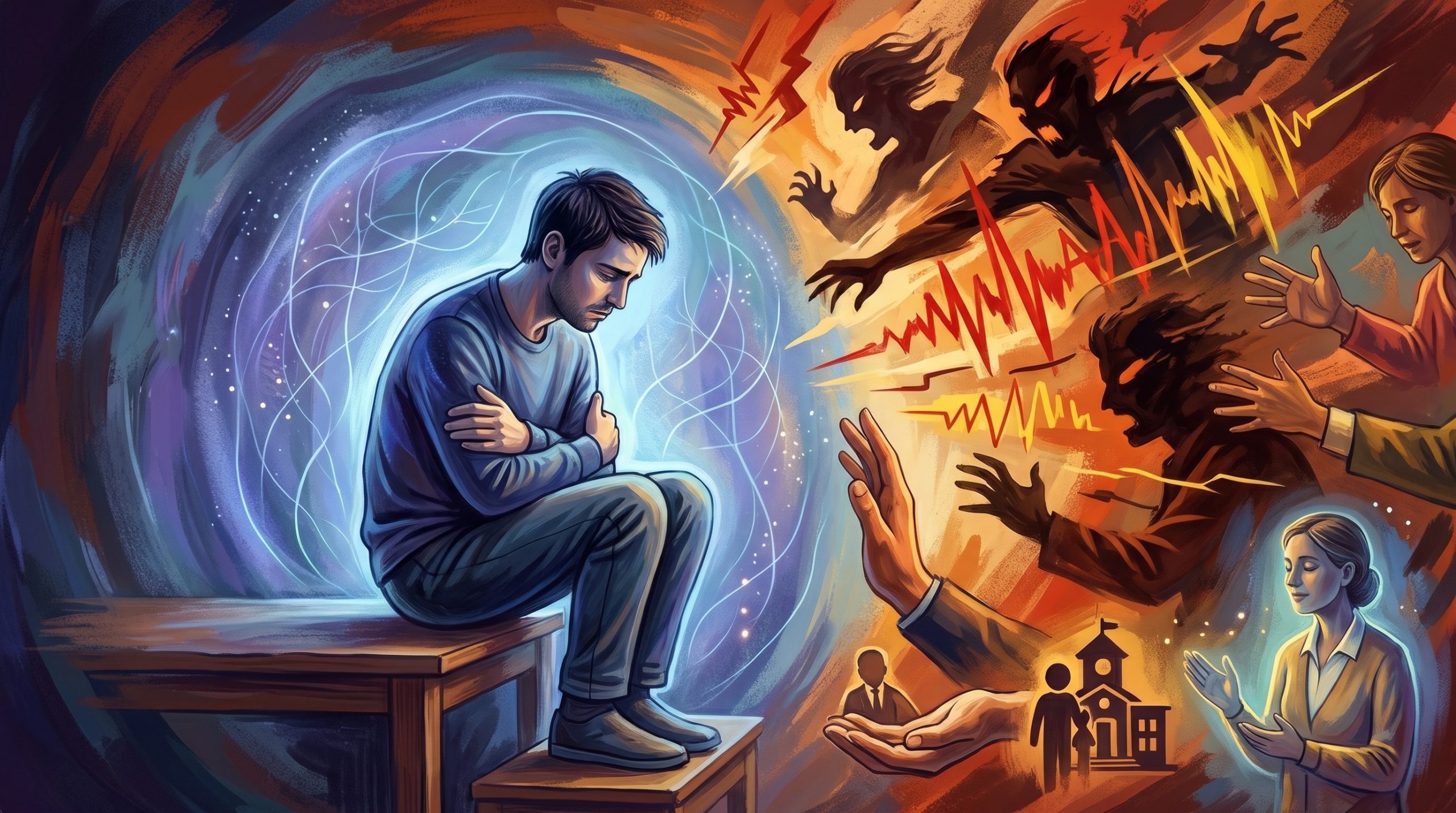
    Almost every assessment begins with a questionnaire. Parents tick how often their child loses the thread. Teachers judge how long it stays with a task. Adults answer how much noise bothers them. At the end there is a number — and next to the number a line: the cut-off. Above it means conspicuous, below it…
    October 10, 2026
1 2 3 … 8
Next Page→

Kontakt

Gehirn- und Traumastiftung Graubünden
Schulstrasse 1
CH-7302 Landquart

Telefon: +41 81 322 28 28
E-Mail: info@gtsg.ch

Newsletter

Bleiben Sie informiert über unsere Workshops, Forschung und Neuigkeiten.

Zum Newsletter

Rechtliches

Impressum
Datenschutz · Privacy
Kontaktformular
Jahresberichte

Contact

Brain and Trauma Foundation Grison
Schulstrasse 1
CH-7302 Landquart, Switzerland

Phone: +41 81 322 28 28
Email: info@gtsg.ch

Newsletter

Stay informed about our workshops, research and news.

Subscribe

Legal

Imprint
Privacy Policy · Datenschutz (DE)
Contact form
Annual reports


  • LinkedIn
  • Facebook
Newsletter – Jetzt anmelden