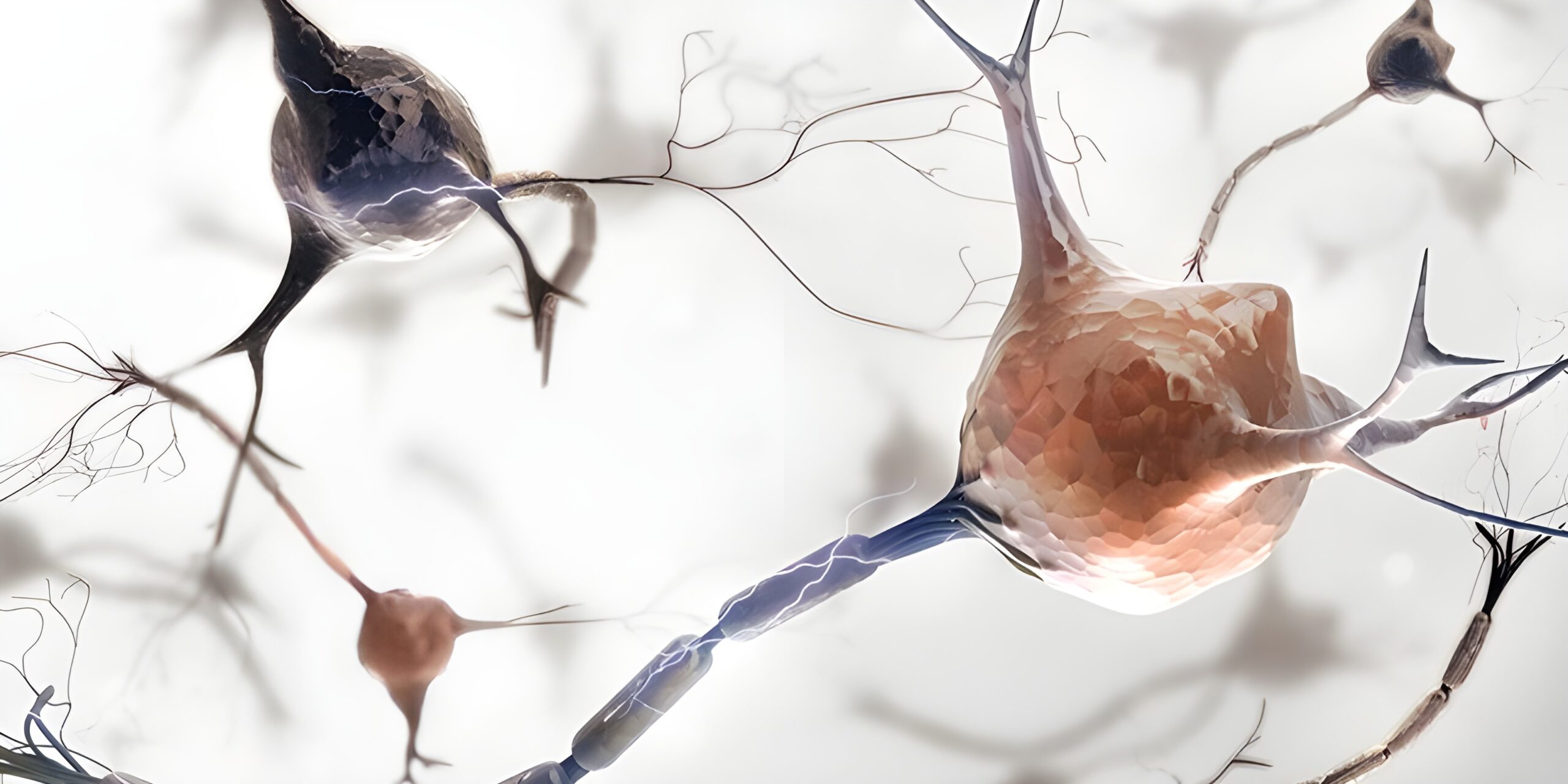
Our film shows how modern brain research and EEG-based diagnostics open up new avenues in recognising ADHD in children – scientifically grounded and clearly explained. Watch now! (Film in German)
Our film: “Listening to the brain – understanding ADHD”
🧠 Why conventional tests are often not enough
Many children with ADHD-like symptoms show no clear findings in classic tests such as questionnaires, interviews or concentration tests. Nevertheless, difficulties in everyday life persist. Purely behaviour-based diagnostics often falls short here – because it does not capture internal neurobiological processes. Yet it is precisely these processes that are decisive for impulsivity, attention and emotional regulation.
👉 Behaviour is visible. The causes often are not.
🧠 How EEG, vigilance and arousal measurement can help
Modern brain function analyses such as EEG (electroencephalography), evoked potentials, as well as the objective measurement of vigilance (wakefulness), arousal (level of activation) and sensitivity make visible what is at work beneath the surface. These methods enable a scientifically grounded view of the brain’s internal mechanisms – individual, objective and beyond classic diagnoses.
👉 Neuroscience instead of guesswork.
– 👨👩👧 Who the film is particularly suitable for
This film is aimed at:
Parents whose children show difficulties but have no clear diagnosis
Teachers who want to understand what lies behind patterns of behaviour
Professionals in psychology, psychiatry, medicine and education who are looking for new diagnostic approaches
Everyone interested in child-friendly, neurobiologically grounded ADHD diagnostics
👉 Knowledge that connects – for everyone who bears responsibility.Who the film is particularly suitable for