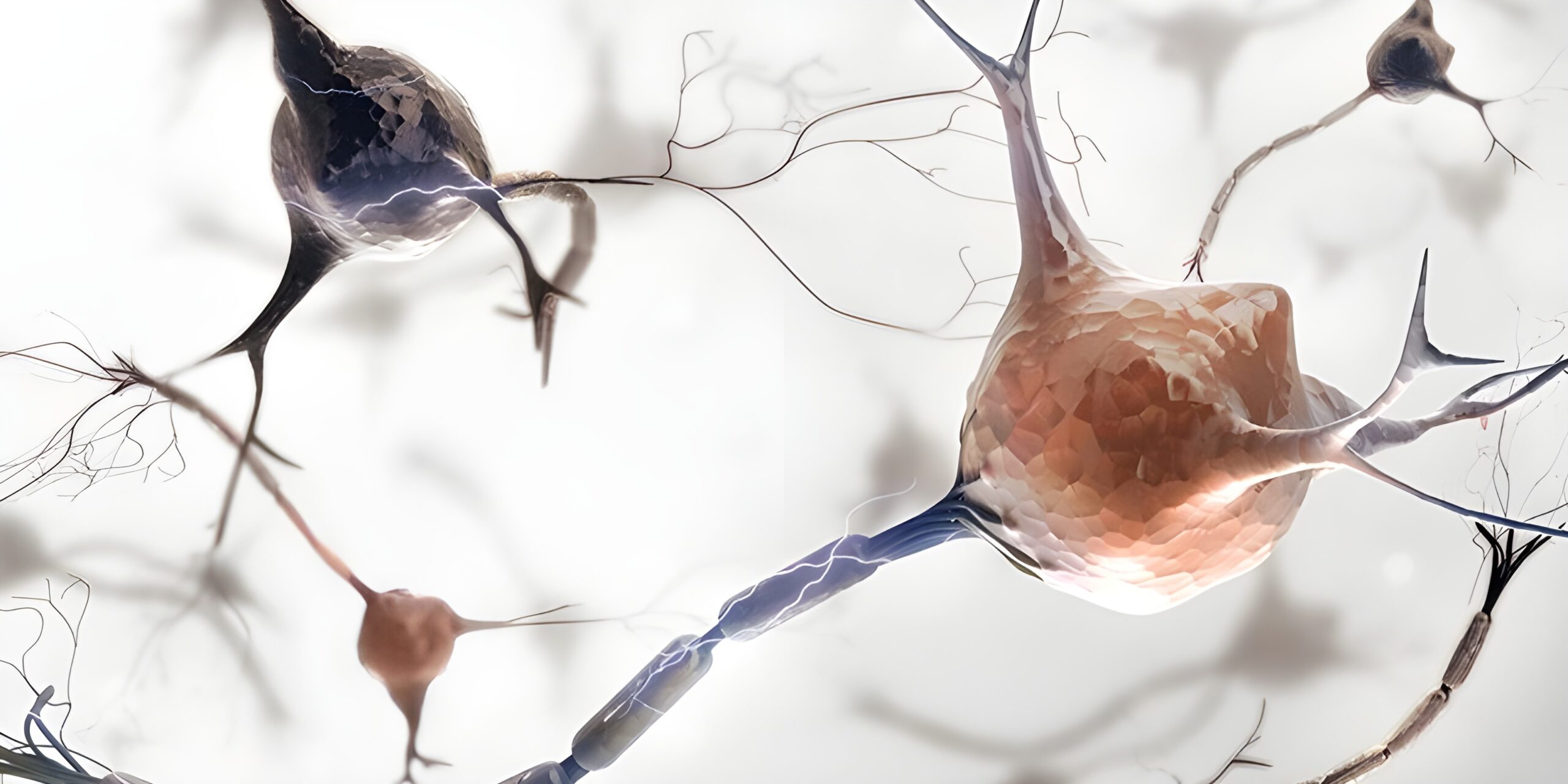
A diagnosis gives something a name. Self-understanding makes self-acceptance possible. At the Biomarker Workshop 2026, Elena Retica shows why the real questions only begin after the diagnosis.
13 November 2026 · Andreas Müller
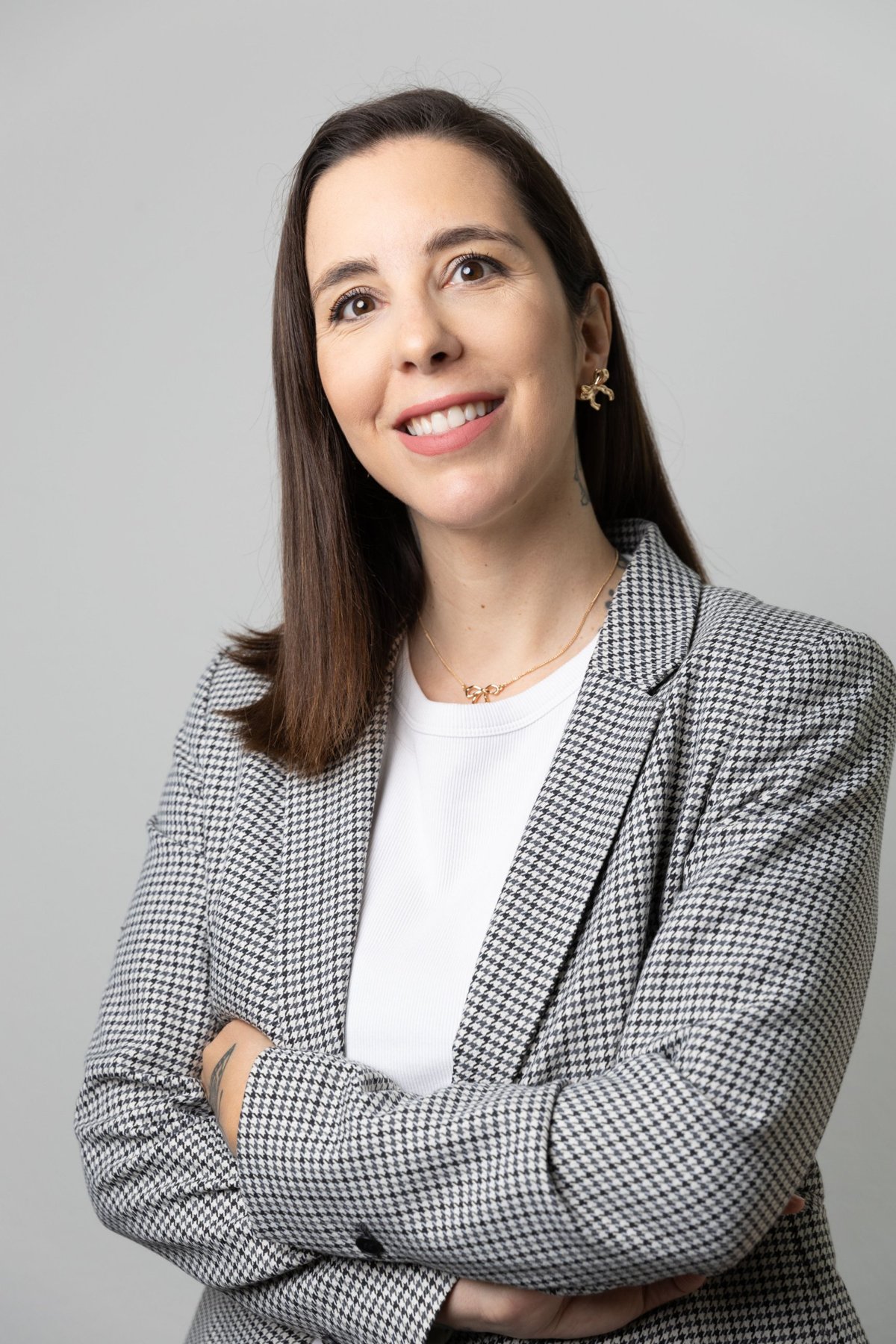
Elena Retica speaks as a woman diagnosed late in life, as a mother and as an ADHD and autism coach.
What changes when we stop merely classifying behaviour and start understanding it as the response of an individual nervous system? This question is at the heart of Elena Retica’s talk at the 15th GTSG Biomarker Workshop.
Three perspectives in one person
Elena Retica speaks from a position rarely heard at professional conferences. She brings together three viewpoints: that of a woman diagnosed late with autism and ADHD, that of the mother of an eleven-year-old autistic boy with ADHD, and that of a coach who supports autistic people and people with ADHD in their working lives.
A diagnosis is not an instruction manual
Before a diagnosis, the same traits are often read quite differently: “too sensitive”, “can’t cope”, “unfocused”, “inflexible”, “just needs to try harder”. After the diagnosis, new explanations emerge – sensory processing, executive functions, stress regulation, compensation and masking, individual limits of tolerance.
The diagnosis does not change the nervous system. What changes is the meaning we give to its behaviour. And yet a gap remains: two people with the same diagnosis can be very different. The diagnosis tells us where to look – but not yet how this particular person works. That is why further questions are needed: What does this nervous system perceive particularly strongly? What causes stress? How does overload show itself? What helps with regulation? And what does compensation cost?
Sensitivity and stress: what comes in – and what it costs
This is exactly the core thesis of this year’s workshop. Beneath ADHD, autism and PTSD lie two shared dimensions: sensitivity – how much a nervous system takes in from its environment – and stress – what that intake costs the system.
Sensitivity is not only about noise, light or touch. At the same time, a person may have to process voices and eye contact, unspoken social rules, unpredictability, their own thoughts and feelings, hunger, tiredness or pain. Two people can be in the same situation on the outside and experience a completely different sensory load on the inside. The same environment does not mean the same burden.
From the outside, a person may seem calm, friendly and capable. On the inside, there is high tension, constant filtering, deliberate social adjustment and the suppression of their own needs – all the way to exhaustion. Especially in people diagnosed late, what others see for a long time is mainly that they function. But functioning is not the same as being regulated.
Overload can be loud or quiet
Stress does not look the same in everyone. Elena Retica distinguishes three patterns that match the three stress profiles of the workshop:
- Over-reactive: restlessness, irritability, strong emotions, the urge to flee, meltdown.
- Hypo-active: withdrawal, slowing down, tiredness, freezing, shutdown – often calm and friendly on the outside.
- Sensitised and decoupled: high readiness to react, long after-effects and outward functioning despite inner overload.
What looks calm from the outside can be under heavy strain on the inside.
Behaviour as a signal, not resistance
She illustrates what this means in practice with a case example. “Kevin” (name changed), aged nine, repeatedly refuses tasks in class, becomes increasingly restless, disrupts other children and damages objects. The obvious interpretations are: “He doesn’t want to”, “He’s being provocative” or “That’s just part of autism”.
The decisive question is a different one: what happens before the escalation? Is the sensory load too high, the situation unpredictable, a transition difficult? Is the child already exhausted, the task too complex for his executive functions? Asking about the nervous system broadens the question about behaviour. Behaviour is often a signal – not simply resistance.
Self-regulation begins with understanding
For Elena Retica, regulation consists of four steps: noticing what is happening right now; understanding whether it is sensory overload, stress, exhaustion or excessive demands; relieving by reducing, simplifying or making something more predictable; and regulating – finding out what concretely helps to get back to a more stable state. That can be withdrawal, movement, headphones, less talking, more time, clear structures, written information or reduced demands.
It is not only about changing the person. Sometimes the environment has to change. And with children, co-regulation by their caregivers is an essential part of it. The shift from “What is wrong with me?” to “What do I need?” is what she calls self-understanding. It does not mean playing down difficulties, but addressing them in the right place.
Three questions for professionals
For clinical practice, Elena Retica offers three questions that can be helpful after any diagnosis:
- What does this person perceive particularly strongly? – Sensitivity
- What does this processing cost them? – Stress
- What helps them back into regulation? – Individual support
Her wish for diagnostics: it should not only classify but help people understand their own nervous system. Not only asking which diagnosis applies, but how this person works. This is exactly where the workshop comes in: objective approaches such as brain function analysis make arousal, vigilance and sensory processing visible, complementing what affected people, parents and professionals observe in everyday life.
The talk
Elena Retica will speak on Thursday, 10 December 2026, at 2.45 pm on “From diagnosis to self-understanding – sensitivity, stress and self-regulation in ADHD and autism”. The talk will be given in German.
Biomarker Workshop 2026: Thursday, 10 December 2026, 9 am – 5 pm, Paulus Akademie Zurich and online. CHF 100, 7 credits. Programme · Register now
Source: presentation slides by Elena Retica (November 2026)